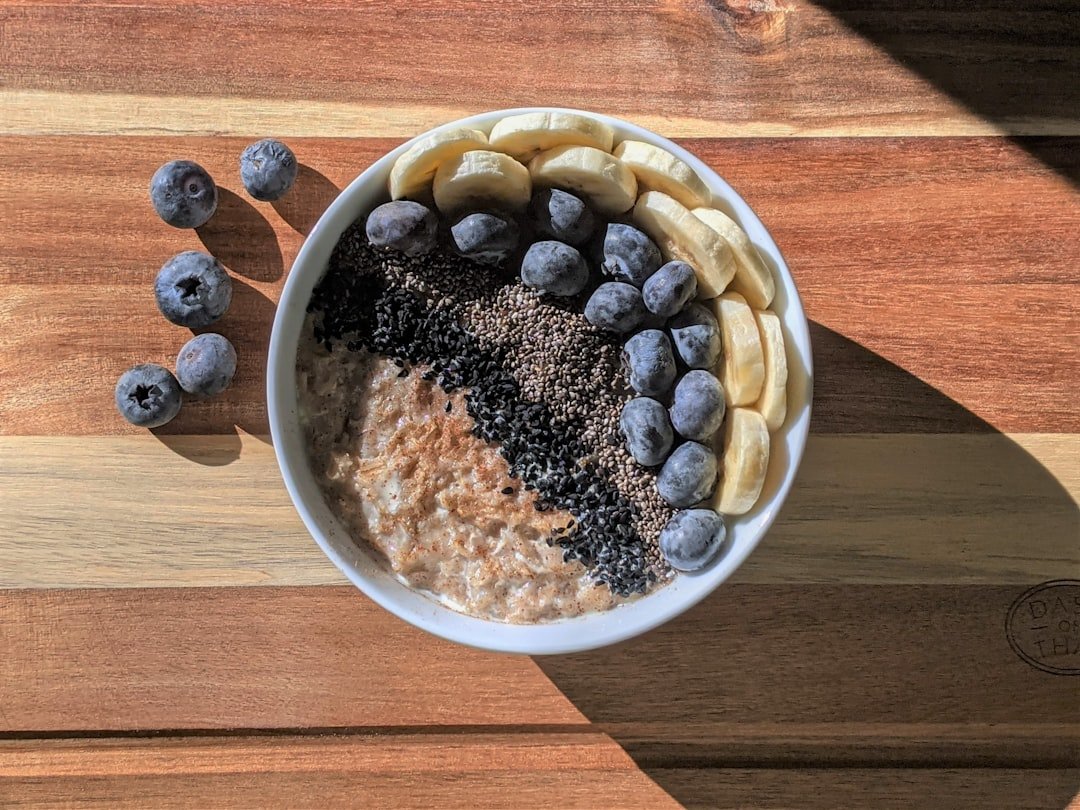
High-Protein Vegan Oatmeal Without Protein Powder
High-protein vegan oatmeal does not require protein powder. The easiest way to raise the protein is to build the bowl from several naturally protein-containing ingredients instead of asking one ingredient to do all the work. Rolled oats provide a base, soy beverage adds more protein, and hemp hearts, chia seeds, and peanut butter increase it further.
This recipe is designed to be simple enough for an everyday breakfast and flexible enough to use what you already have. Exact protein amounts vary by brand, so treat the numbers as estimates and check your own labels if you are tracking closely.
High-protein vegan oatmeal without protein powder
Ingredients
- 1/2 cup rolled oats
- 1 cup unsweetened soy beverage
- 2 tablespoons hemp hearts
- 1 tablespoon chia seeds
- 1 tablespoon peanut butter
- 1/2 banana, sliced
- 1/2 cup berries, fresh or frozen
- Pinch of cinnamon
- Pinch of salt
Instructions
- Add the oats, soy beverage, chia seeds, cinnamon, and salt to a small saucepan.
- Bring to a gentle simmer and cook, stirring regularly, until the oats are creamy.
- Remove from the heat and stir in the hemp hearts.
- Transfer to a bowl and top with peanut butter, banana, and berries.
- Add a splash of soy beverage if you prefer a thinner texture.
Depending on the brands you use, this bowl can land around the low-to-mid 20-gram range of protein. The biggest contributors are usually the soy beverage, hemp hearts, oats, and peanut butter.
If you use soy milk regularly, our fortified plant milk label guide explains how to compare its protein, calcium and B12 with other beverages. For breakfasts beyond oatmeal, browse high-protein vegan breakfasts without protein powder.
Why soy beverage works especially well
Plant-based beverages vary a lot in protein. The U.S. Food and Drug Administration notes that fortified soy beverages are nutritionally closer to milk than many other plant-based beverages and recommends comparing labels for protein, calcium, vitamin D, potassium, added sugar, and saturated fat.
That does not mean oat, almond, rice, or other plant beverages are “bad.” It simply means they may contain less protein, so the final oatmeal may not be as high in protein unless you adjust the other ingredients.
How to increase protein without powder
Use soy beverage instead of water
Water makes perfectly good oatmeal, but it does not add protein. A higher-protein plant beverage is the easiest swap.
Add hemp hearts
Hemp hearts have a soft texture and mild nutty flavor, so they disappear into oatmeal more easily than many crunchy toppings.
Add peanut or seed butter
Nut and seed butters add protein, fat, and richness. Peanut butter is usually the most budget-friendly option.
Use chia seeds
Chia seeds add some protein and also thicken the oats. If you use too much, the texture can become very thick, so start with a tablespoon.
Try soy yogurt
For a cooler, creamier bowl, add a spoonful of higher-protein soy yogurt after cooking. Check the label because protein content varies.
Three flavor variations
Chocolate-peanut
Add a teaspoon or two of cocoa powder while the oats cook. Top with peanut butter and banana.
Apple-cinnamon
Cook diced apple with the oats, add extra cinnamon, and finish with hemp hearts and nut butter.
Berry-vanilla
Add frozen berries during the last few minutes of cooking and a drop of vanilla extract. Top with hemp hearts and peanut butter or almond butter.
Can you meal prep high-protein oatmeal?
Yes. You can make two or three portions and refrigerate them, then reheat with an extra splash of soy beverage. For a no-cook version, combine the same basic ingredients in a jar and refrigerate overnight.
If you prefer a bigger weekly system, pair this breakfast with our plant-based meal prep for one person guide. It is designed around reusable ingredients instead of five identical meals.
What if I do not like protein powder?
You do not need it. Protein powder is convenient, but it can change the flavor and texture of oatmeal and is not the only way to build a higher-protein breakfast. Whole foods and fortified foods can contribute protein across the meal.
The tradeoff is that protein powder is concentrated. If your personal nutrition goals require a very high amount of protein in one meal, whole-food ingredients may make the bowl larger or more calorie-dense. There is no need to chase a particular number unless you have a reason to do so.
What if I cannot use soy?
Choose another plant beverage you tolerate, then compare labels. Pea-based beverages are often higher in protein than almond or rice beverages, but products differ. You can also add more hemp hearts, nut or seed butter, or a higher-protein plant-based yogurt.
High-protein vegan oatmeal FAQ
Are oats high in protein?
Oats contain protein, but they are not usually enough by themselves to create a particularly high-protein breakfast. Combining oats with soy beverage, seeds, and nut butter is more effective.
Can I make this gluten-free?
Use oats labeled gluten-free if you need to avoid gluten because oats can be cross-contacted during growing and processing.
Is this breakfast suitable for everyone?
Most healthy adults can adapt the recipe to their needs, but allergies, medical conditions, and individual nutrition requirements can change what is appropriate. If you need a therapeutic diet, personalized advice from a qualified health professional is more useful than a generic recipe.



One Comment
Comments are closed.