Konjac Gum in Vegan Cheese: What Does It Do?
Konjac gum in vegan cheese is a texture ingredient, not a hidden dairy protein. Derived from the konjac plant, it contains a water-binding polysaccharide called
Plant-based ingredient guides and practical substitutions for dairy, eggs, meat, baking ingredients, proteins, pantry staples, and everyday cooking.

Konjac gum in vegan cheese is a texture ingredient, not a hidden dairy protein. Derived from the konjac plant, it contains a water-binding polysaccharide called

Calcium lactate in vegan cheese is not automatically a dairy ingredient. Despite the similar-looking name, lactate is not the same substance as lactose, the sugar associated with milk. Calci

Gellan gum in plant milk is a texture and suspension ingredient. In some fortified oat, almond and other plant-based beverages, it helps keep ingredients such as added minerals more evenly d

Yeast extract in plant-based meat is usually there for flavour, not to supply the main protein. It can add the deep savoury taste often described as umami and help reduce the flat or beany n
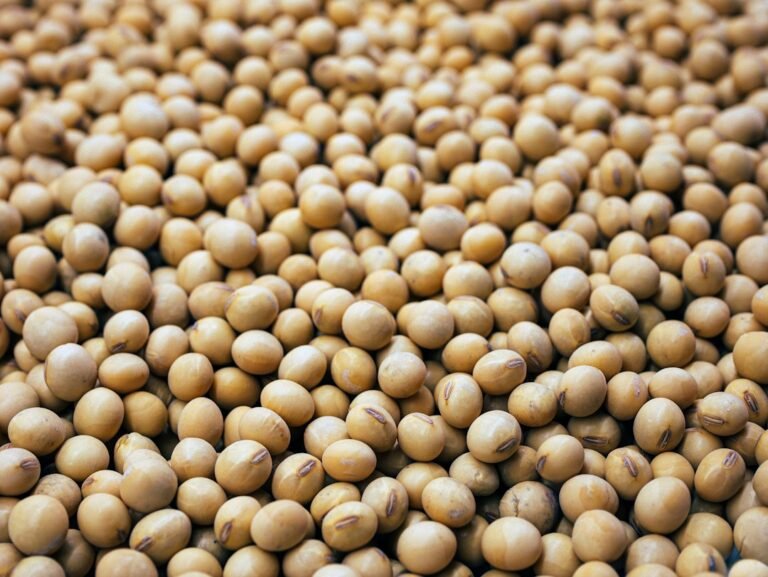
Soy lecithin is a soy-derived emulsifier found in some vegan foods. Learn why it is added, how labels name it and what soy-allergic shoppers should know.
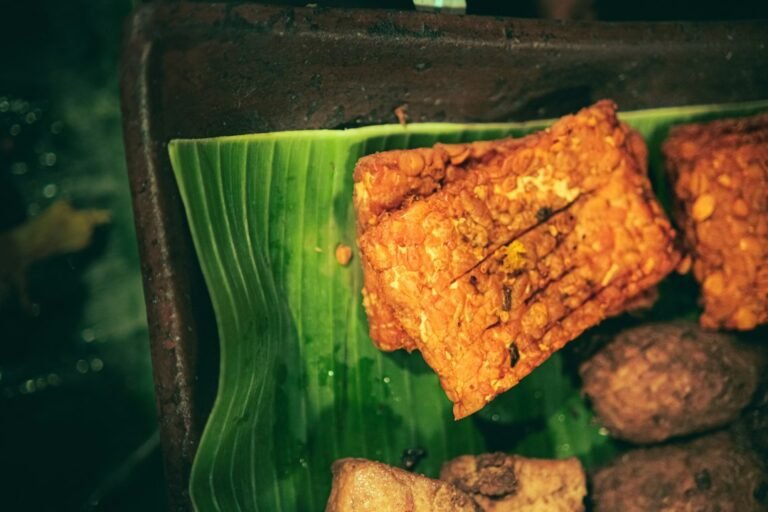
Tempeh can smell stronger as it ferments, but a sharp ammonia smell is a warning. Learn what to check and when not to risk eating it.

Are black spots on tempeh normal? Learn about Rhizopus spores, the signs that warrant discarding tempeh, and why cooking instructions still matter.

Carrageenan is used to stabilize some plant milks and vegan cheeses. Learn what this seaweed ingredient does and how to compare labels sensibly.

Make veggie burgers without methylcellulose using mashed beans, oats, chickpea flour and more. Includes a practical base formula and crumble fixes.

Why do plant-based burgers contain methylcellulose? Learn what E461 does, how it affects texture, and what alternatives can and cannot replace it.