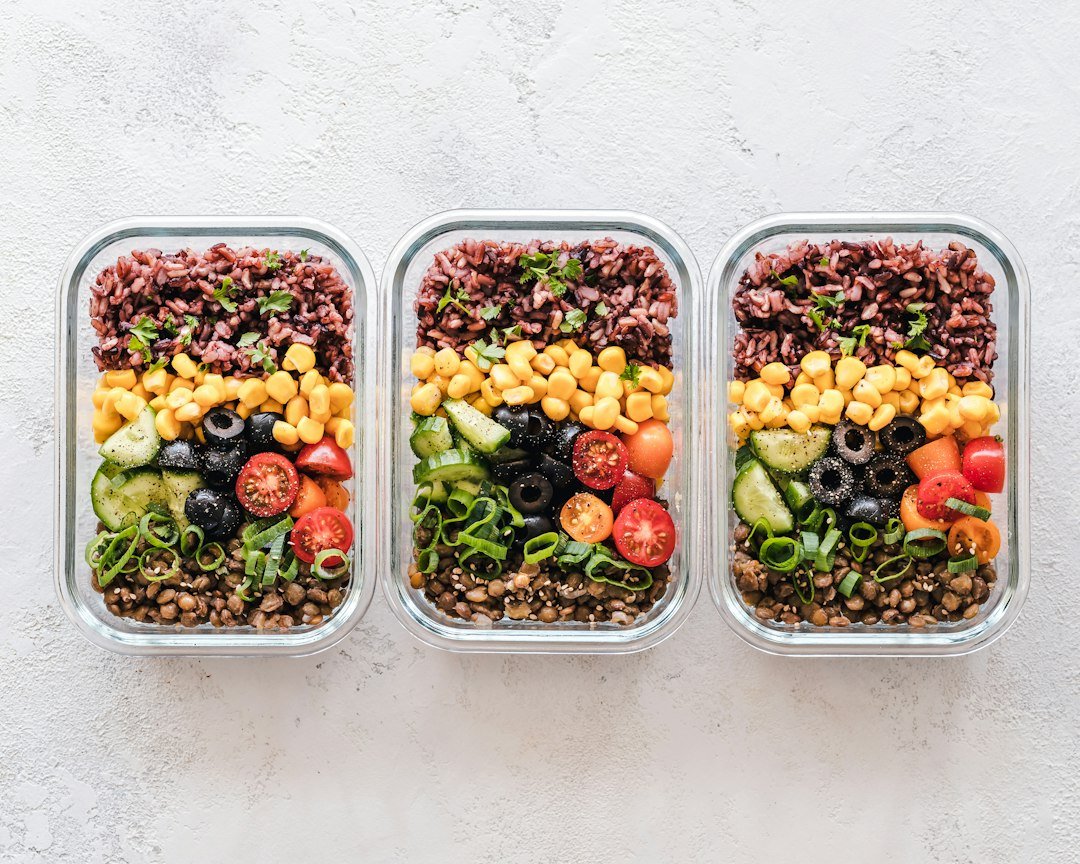
Vegan Meal Prep Without Reheating: A 5-Day Lunch System
Meal prep is much easier when you stop planning lunches that depend on a microwave. A good vegan meal prep without reheating starts with ingredients that are intentionally good cold: sturdy grains, legumes or seitan, crunchy vegetables and sauces packed separately.
This five-day system is flexible rather than rigid. You will prep a few components once, then assemble different lunches so the week does not feel like five copies of the same bowl.
The basic no-reheat meal-prep formula
- 2 protein choices: lentils, chickpeas, beans, seitan, higher-protein pasta or seeds.
- 2 bases: quinoa, rice, pasta, wraps or hearty bread.
- 3–4 vegetables: choose sturdy produce such as cabbage, carrots, peppers and cucumbers.
- 2 sauces: one creamy, one bright or acidic.
If you want more protein-specific ideas, start with our high-protein vegan lunches that don’t need reheating.
What to prep on Sunday
1. Cook one grain
Quinoa is especially useful because it works in bowls, salads and wraps. Rice and farro are also good choices if you prefer them.
2. Prepare two protein components
For example, cook lentils and slice seitan. If you avoid both beans and tofu, use ideas from our bean- and tofu-free protein guide.
3. Chop sturdy vegetables
Cabbage, carrots and peppers hold up better than delicate lettuce. Wash leafy greens but store them separately.
4. Make two sauces
A tahini-lemon sauce plus a vinaigrette gives you very different lunches from the same base ingredients. Our quick grain-bowl sauces are designed for this kind of mixing and matching.
For an even wider choice of fillings and cold bowls, browse 12 vegan lunches that do not need a microwave. Packing for a child? The no-reheat plant-based school lunch guide addresses a different set of practical constraints.
Five lunches from the same prep
Day 1: Lentil quinoa crunch bowl
Layer quinoa, lentils, cabbage, cucumber and carrots. Add lemon-tahini sauce just before eating.
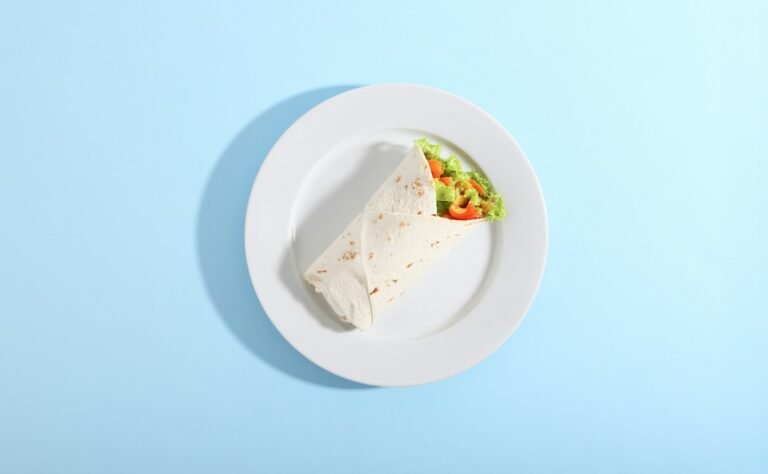
Day 2: Seitan slaw wrap
Fill a wrap with sliced seitan, cabbage, peppers and a bright vinaigrette. Pack any wet ingredients separately if the wrap will sit for many hours.
Day 3: Mediterranean grain salad
Combine quinoa, lentils, cucumber, tomato, parsley and olives. Use vinaigrette and add seeds for crunch.
Day 4: Cold noodle bowl
Use chilled noodles with shredded vegetables and a peanut or seed-based sauce. Add peas or seitan for more substance.
Day 5: Clean-out-the-fridge lunch box
Pack the remaining grain, protein, vegetables, fruit and crackers or pita in separate sections. Use the last sauce as a dip.
How to keep lunches from getting soggy
- Store sauces separately.
- Keep tomatoes and juicy fruit away from bread and wraps until serving.
- Use shredded cabbage instead of delicate lettuce when prepping several days ahead.
- Add nuts, seeds, crackers and other crunchy toppings at lunchtime.
Food-safety basics
No-reheat does not mean no refrigeration. Keep foods that normally require refrigeration cold with an insulated lunch bag and ice pack until you are ready to eat. When in doubt, follow the storage guidance for the specific ingredient or prepared food.
How this fits with one-person meal prep
If you are cooking only for yourself, scale down the number of components rather than making tiny batches of everything. Our plant-based meal prep for one person shows how to reduce leftovers without losing variety.
Frequently asked questions
What vegan foods taste best cold?
Grain salads, pasta salads, wraps, sandwiches, lentil salads, chickpea salads, seitan, crunchy vegetables and seed-based dressings all work well.
Can this be soy-free?
Yes. Use lentils, beans, seitan, grains and seeds, or follow our soy-free protein guide.
Can I prep all five days at once?
You can prep many components at once, but quality is often better when delicate produce and bread are assembled closer to the day you eat them.
Bottom line
The easiest no-reheat meal prep is modular. Cook a few sturdy components, keep sauces and crunchy toppings separate, and assemble different lunches from the same prep instead of making five identical containers.