Vegan Gravy Without Mushrooms or Soy Sauce: Easy Pantry Recipe
You can make a satisfying vegan gravy without mushrooms or soy sauce by building flavour with caramelized onion, vegetable broth, thyme and a little acidity. This pantry-friendly method is suitable for mashed potatoes, roasted vegetables and a small holiday meal. The colour may be lighter than a gravy made with mushrooms or dark soy sauce, but the result can still taste rich.
Ingredients for about two cups
Use 1 tablespoon olive oil or vegan butter, 1 medium onion finely chopped, 1 small garlic clove, 2 tablespoons all-purpose flour, 2 cups vegetable broth, ½ teaspoon dried thyme, ¼ teaspoon dried sage, 1 teaspoon cider vinegar or lemon juice and black pepper. Choose a broth with a flavour you like; low-sodium broth makes final seasoning easier. Optional: ½ teaspoon tomato paste for a deeper colour.
Step-by-step gravy method
Warm the oil in a saucepan over medium heat. Cook the onion for 10–12 minutes until golden, stirring and reducing heat if it browns too rapidly. Add garlic for 30 seconds. Stir in flour and cook for about one minute, forming a paste. Gradually whisk in the broth until smooth. Add the herbs and simmer gently for 5–8 minutes until thick enough to coat a spoon. Finish with vinegar or lemon, pepper and salt as needed. Blend for a smooth gravy or leave the onion pieces in for texture.
Why this works without mushrooms
Mushrooms add umami, but they’re not the only way to create flavour. Browning onion develops sweetness and savoury notes. Herbs supply depth; broth carries the main body; a small splash of acidity keeps a flour-based gravy from tasting flat. The onion also gives colour without needing soy sauce or meat drippings.
Gluten-free and other substitutions
For a wheat-free version, use 1–1½ tablespoons cornstarch mixed with a few tablespoons of cold water, added near the end of cooking instead of flour. Simmer until thickened. Check broth labels for gluten and soy ingredients if avoidance is required. For an onion-free version, increase herbs and use a well-seasoned broth, although the flavour will be different.
Troubleshoot thin, thick or lumpy gravy
If too thin, simmer uncovered a little longer or add a small additional starch slurry. If too thick, whisk in warm broth a tablespoon at a time. If lumpy, strain or briefly blend. If bland, add a pinch of salt, a little more thyme or a few drops of lemon. If the gravy is too salty, add unsalted broth rather than simply thinning with more salty stock.
Serving and storage
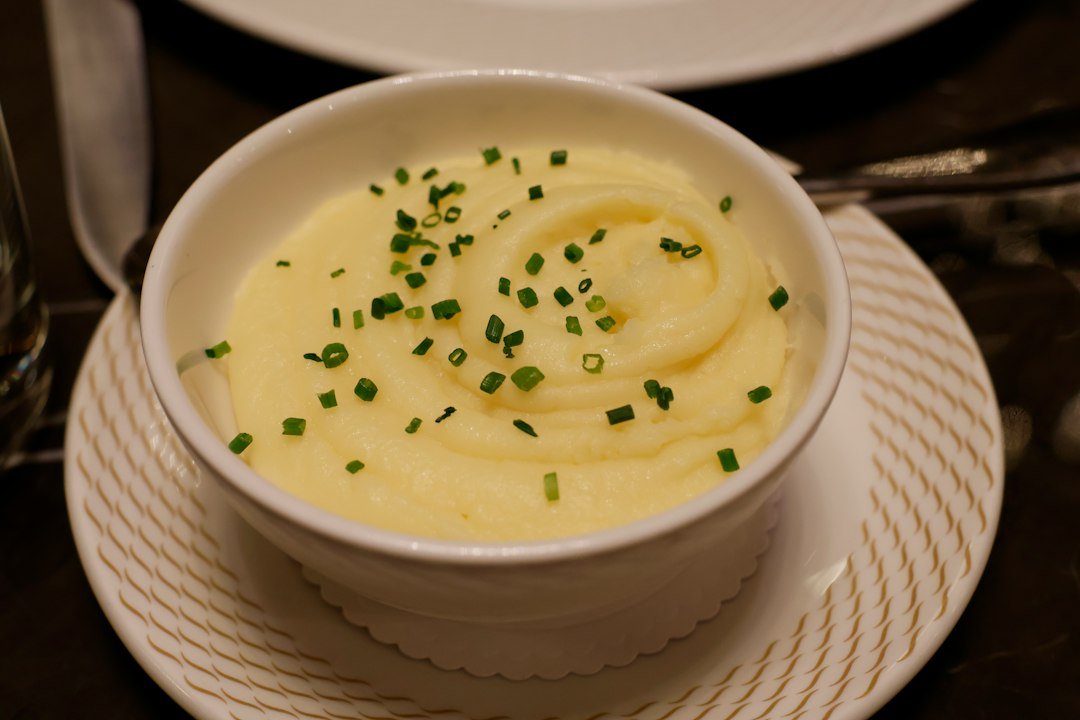
Pour over mashed potatoes, baked tofu, a lentil loaf or roasted vegetables. Cool leftovers promptly and refrigerate in a covered container for approximately three to four days. Reheat thoroughly in a saucepan and loosen with broth if it thickens. For a small festive meal, pair it with the sauces and grain bowl ideas elsewhere on the site.
FAQ
Can I skip nutritional yeast? Yes; this version doesn’t require it. Is dark soy sauce necessary for colour? No. Can I make it a day early? Yes, refrigerate promptly and reheat thoroughly. Can I freeze gravy? Yes; freeze in meal-sized portions and whisk as it reheats.
A closer look at building savoury flavour without soy
Soy sauce is a shortcut for salt, umami and colour, while mushrooms add earthy savouriness. Neither is mandatory if you have a well-flavoured vegetable broth and enough time to brown onions. Start by letting the onion turn golden rather than simply translucent. Its sweetness gives contrast to the salty broth, while sage and thyme add a familiar holiday aroma. A tiny amount of tomato paste can deepen colour if that suits the meal, but too much makes the gravy taste like tomato sauce. Add acidic ingredients only at the end, a few drops at a time, because the goal is balance rather than a sour gravy.
How to adjust thickness without guessing
A gravy thickens as flour hydrates and the liquid gently simmers. If the sauce looks thin immediately after whisking in broth, give it several minutes before adding more thickener. If it still runs like broth, mix a teaspoon of cornstarch with a little cold water, whisk it in and simmer briefly. Do not sprinkle dry starch straight into hot gravy, as this encourages lumps. If the sauce becomes too thick, add warm low-sodium broth a tablespoon or two at a time. For a very smooth finish, blend carefully or strain the cooked onion pieces. Remember that gravy often thickens further as it cools.
An easy variation for different dinners
For mashed potatoes, keep the gravy mild with thyme and sage. For a lentil loaf, add a small spoonful of tomato paste and black pepper for a deeper savoury sauce. For roasted carrots, use less onion and a little lemon at the end so the vegetables remain the focus. When cooking for children or people who prefer mild flavours, prepare the basic gravy first and let diners add pepper at the table. If you need to avoid wheat, use the cornstarch variation described above and verify the broth’s allergen information. Changing the herbs is usually simpler than replacing the entire base of the recipe.
Preparing gravy for a small holiday meal
If you are feeding just two people, the full batch will likely make more gravy than a single plate requires. Serve what you need and chill the rest promptly in a covered container. You can make it ahead and reheat it slowly, whisking in a splash of liquid to return it to pouring consistency. For entertaining, set the warm gravy out close to serving rather than leaving it at room temperature for an extended period. A pot of gravy is also useful on leftover roasted potatoes or rice, provided the leftovers were handled safely. This sauce pairs with a small holiday dinner built around lentils, squash and roasted vegetables, using ingredients already on hand.