Does Tempeh Need to Be Cooked? Safety, Pasteurization & Best Methods
Tempeh is fermented before it reaches your kitchen, but fermentation does not automatically mean a packaged block is ready to eat without cooking. Whether tempeh can be eaten straight from the package depends on how it was produced, whether it was pasteurized, and what the manufacturer says on the label.
For a simple answer to does tempeh need to be cooked: unless the package clearly says the product is ready to eat, cooking it is the safest practical default. This is especially important for unpasteurized tempeh.
Can you eat tempeh without cooking it? Three situations
Do not assume all tempeh is ready to eat straight from the pack. Whether it needs cooking depends on the actual product and how it was processed. A cautious shopper can sort most situations into three groups:
- Fresh or unpasteurized tempeh: follow the producer’s instructions and cook it before eating rather than relying on fermentation alone.
- Pasteurized tempeh marked ready to eat: the producer may permit eating it without additional cooking, provided it has been stored and handled as directed.
- Packaged tempeh with unclear instructions: contact the manufacturer or cook thoroughly according to a reliable preparation method instead of assuming it is ready to eat.
This distinction is more useful than a blanket statement about whether tempeh is “raw.” Fermented foods differ in how they are made, treated after fermentation and packaged. When spoilage is suspected, do not eat the food even after heating.
Why tempeh is different from tofu
Tempeh is made by fermenting cooked soybeans with a culture, traditionally species of Rhizopus mold. The culture grows through the beans and binds them into a firm cake. Tofu, by comparison, is made by coagulating soy milk.
Fermentation creates tempeh’s characteristic texture and flavor, but the finished product can still be handled and processed differently after fermentation.
Pasteurized vs unpasteurized tempeh
Many commercially sold tempeh products are pasteurized after fermentation to improve safety and shelf life. Others may be sold unpasteurized, especially from smaller producers or specialty markets.
That distinction matters. Public-health guidance has emphasized safe handling and cooking of uncooked, unpasteurized tempeh because foodborne illness can occur if contamination is present. A documented U.S. outbreak in 2012 was associated with unpasteurized tempeh contaminated through starter culture.
The practical rule is straightforward: read the package. If the label says “cook thoroughly,” “must be cooked,” or gives cooking instructions, follow them. Do not assume fermentation makes the food ready to eat.
What if the package says ready to eat?
If a manufacturer specifically labels pasteurized tempeh as ready to eat, follow the product instructions and storage directions. Even then, many people prefer tempeh cooked because browning improves its flavor and texture.
If the package is unclear, cooking is the more cautious choice.
How should tempeh look and smell?
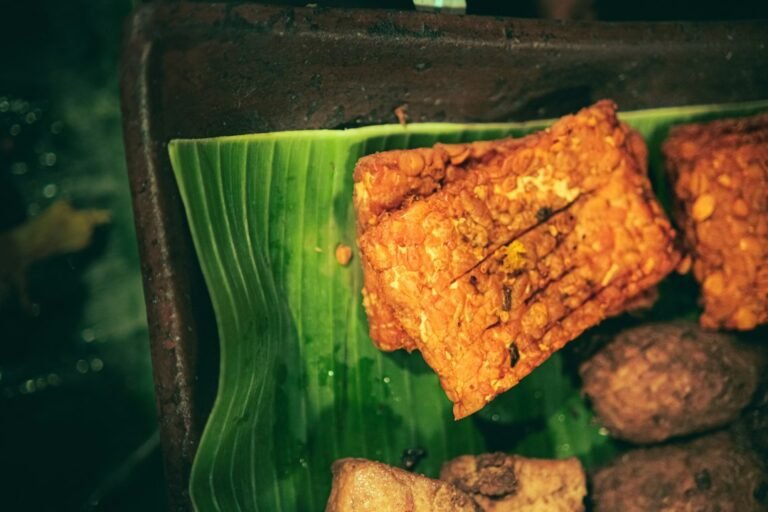
Fresh tempeh commonly has a white coating from the fermentation culture and a firm cake-like structure. Some normal variation can occur between brands. A strong unpleasant odor, obvious spoilage, sliminess, or unexpected colored mold growth are reasons not to use the product.
Do not try to rescue suspicious tempeh by cooking it. When a perishable food appears spoiled, discard it.
Do you need to steam tempeh before cooking?
Steaming is a flavor and texture technique, not a universal safety requirement. Some people steam tempeh for about 10 minutes before marinating because it can soften a bitter edge and help the surface take on sauce. Other brands are mild enough to season and cook directly.
If you are new to tempeh, our tempeh recipes for beginners show several easy approaches.
Easy cooking methods
Pan-searing
Cut tempeh into thin slices or cubes, add a small amount of oil or cooking liquid to a skillet, and brown the pieces on both sides. Add sauce near the end so it reduces around the tempeh rather than burning early.
Baking
Marinate or season cubes, spread them on a baking sheet, and bake until the edges brown. This is useful for meal prep because a full block can be cooked at once.
Crumbled tempeh
Crumble tempeh into a skillet and cook it with taco seasoning, tomato paste, chili spices, or another sauce. More surface area means more browning and seasoning.
Can tempeh be eaten cold after cooking?
Cooked tempeh can be chilled and used in sandwiches, wraps, or lunch boxes when it has been cooled and stored safely. Keep perishable foods refrigerated and follow ordinary food-safety guidance for transport.
How long does opened tempeh last?
Storage life varies by product, so the package instructions should be your first reference. Once opened, keep tempeh refrigerated in a clean, covered container and use it within the manufacturer’s recommended timeframe. Freezing is an option when you will not use it soon.
Is the white coating safe?
The white mycelium that binds traditional tempeh together is part of the normal fermentation process. It is one reason tempeh looks very different from tofu. That does not mean every unusual growth on an old block is normal, however. If appearance or smell has changed in a way that suggests spoilage, do not eat it.
Tempeh vs tofu for beginners
If the fermentation aspect feels unfamiliar, remember that cooking tempeh is not difficult. It simply has a firmer texture and stronger flavor than tofu. Our tofu vs tempeh comparison explains which one works best in different meals.
Answers to common tempeh safety searches
Can you eat tempeh cold?
Yes, previously cooked tempeh can be served cold in a salad or sandwich if it was handled safely, cooled promptly and kept cold until eating. A sealed product labelled ready to eat is a different case: follow its instructions. Cold serving is not a shortcut around required cooking.
Can you eat tempeh raw?
“Raw” is an imprecise word for fermented tempeh, because the soybeans are commonly cooked before fermentation. The practical question is whether the finished package is designated ready to eat. If it is not, cook it as directed.
Can tempeh be undercooked?
Incomplete heating is a concern whenever the product requires cooking. Follow the producer’s instructions instead of judging readiness solely by a golden surface; slices can brown before their centres heat through. Do not infer that a quick sear makes every fresh, unpasteurized product ready to eat.
Does black spotting always mean tempeh has spoiled?
Not necessarily. Some dark spots can result from the normal fermentation culture, but appearance alone is not a safety test. Consider the package date, storage, texture and smell. Discard a block that is slimy, breaking down or has a strong offensive odour. Never taste questionable tempeh to investigate.
Using cooked tempeh in lunches
After safe cooking, cool portions promptly in shallow containers, refrigerate and pack with a cold source when away from a refrigerator. Our vegan lunches without a microwave and high-protein vegan cold lunches provide meal formats that can accommodate safely prepared tempeh. The food-safety rules still apply even when a meal is designed to be eaten cold.
Bottom line
Unpasteurized tempeh should be cooked, and any packaged tempeh should be handled according to the manufacturer’s directions. If the package does not clearly say it is ready to eat, cooking is the safest default—and it usually makes tempeh taste better anyway.