How to Freeze Tofu for Better Texture: A Simple Step-by-Step Guide
Freezing tofu is one of the easiest ways to change its texture without buying a special product or using complicated equipment. After freezing and thawing, firm tofu becomes more porous, chewier, and noticeably better at soaking up marinades and sauces.
If you have ever wondered how to freeze tofu for better texture, the basic method is simple: freeze firm or extra-firm tofu until solid, thaw it completely, press out the released water, then season and cook it as usual. The important part is knowing what texture to expect and which recipes benefit from the change.
Why freezing changes tofu
Tofu contains a lot of water. When that water freezes, it expands into ice crystals. Those crystals create small spaces inside the tofu. Once the tofu thaws and the water drains away, the block is left with a more open, sponge-like structure.
That structure is why frozen tofu feels chewier than fresh tofu and why it can absorb sauce so effectively. It is not automatically better for every recipe, but it is excellent when you want a firmer, more substantial bite.
Which type of tofu should you freeze?
Firm and extra-firm tofu are the best starting points. They already have enough structure to survive freezing, thawing, pressing, and cooking.
Super-firm tofu also works, although it contains less water to begin with, so the texture change may be less dramatic. Silken tofu is a different story: freezing it can make it grainy and separated. That can be useful for a few specific applications, but it is not the method to use when you want a smooth silken texture.
Method 1: freeze the unopened package
- Place the unopened package of firm or extra-firm tofu directly in the freezer.
- Freeze until the block is completely solid. Overnight is convenient.
- Move the package to the refrigerator and let it thaw fully.
- Open the package, drain the tofu, and gently press out the water.
- Cut, tear, season, and cook.
This is the easiest method because you do not need to handle the tofu before freezing. The trade-off is that thawing a whole frozen package can take longer.
Method 2: drain and cut first
If you want faster thawing later, drain the tofu, cut it into slabs or cubes, arrange the pieces in a freezer-safe container, and freeze them. Once solid, the pieces can be transferred to a bag or compact container.
This method is especially handy for meal prep because you can thaw only the amount you need. Avoid overcrowding wet pieces before they freeze or they may stick together in one large block.
How to thaw frozen tofu
The refrigerator is the simplest option. Place frozen tofu in the fridge and let it thaw completely. If you froze a whole block, give it plenty of time. Pieces thaw faster.
Once thawed, tofu often releases much more water than fresh tofu. Press it gently between clean towels or with a tofu press. You may be surprised by how much liquid comes out.
For food safety, do not leave tofu sitting at room temperature for long periods. Thaw it in the refrigerator or use another safe thawing method recommended for perishable foods.
Do you need to press tofu before freezing?
No. In fact, many people prefer to freeze tofu before pressing because the freeze-thaw process makes the water easier to remove afterward. If you already have pressed tofu, you can still freeze it; the final texture will simply be a little different.
What frozen tofu is best for
- Saucy stir-fries: the porous texture catches glossy sauces well.
- Curries: frozen tofu absorbs strongly seasoned liquids.
- BBQ-style tofu: thicker sauces cling to the rougher surface.
- Sandwiches and wraps: the chewier bite can feel more substantial.
- Meal-prep bowls: the texture stays sturdy after reheating.
If you are still learning the basics, read our guide to making tofu taste good. It covers drying, browning, seasoning, and sauce timing. You can also compare tofu with tempeh in our tofu vs tempeh beginner guide.
When fresh tofu is better
Do not freeze tofu just because the technique is popular. Fresh tofu is often better when you want a soft center, delicate cubes, a creamy blend, or a custardy texture. Scrambles can go either way: fresh tofu creates softer curds, while frozen tofu produces more chew.
For soups where tofu is meant to stay tender, fresh tofu is usually preferable. For crispy or sauce-heavy dishes, frozen tofu can be a major upgrade.
Can you freeze tofu twice?
You can, but a second freeze-thaw cycle makes the texture even drier and more porous. Some cooks deliberately double-freeze tofu for an especially chewy result. Try a single freeze first. If you like that texture but want it even firmer, experiment with a second cycle.
How to season frozen tofu
Because thawed tofu is so porous, it can take on strong flavors quickly. A thin marinade can move into the tofu more effectively than it does with a fresh block. You can also skip a long marinade and use a concentrated finishing sauce after the tofu has browned.
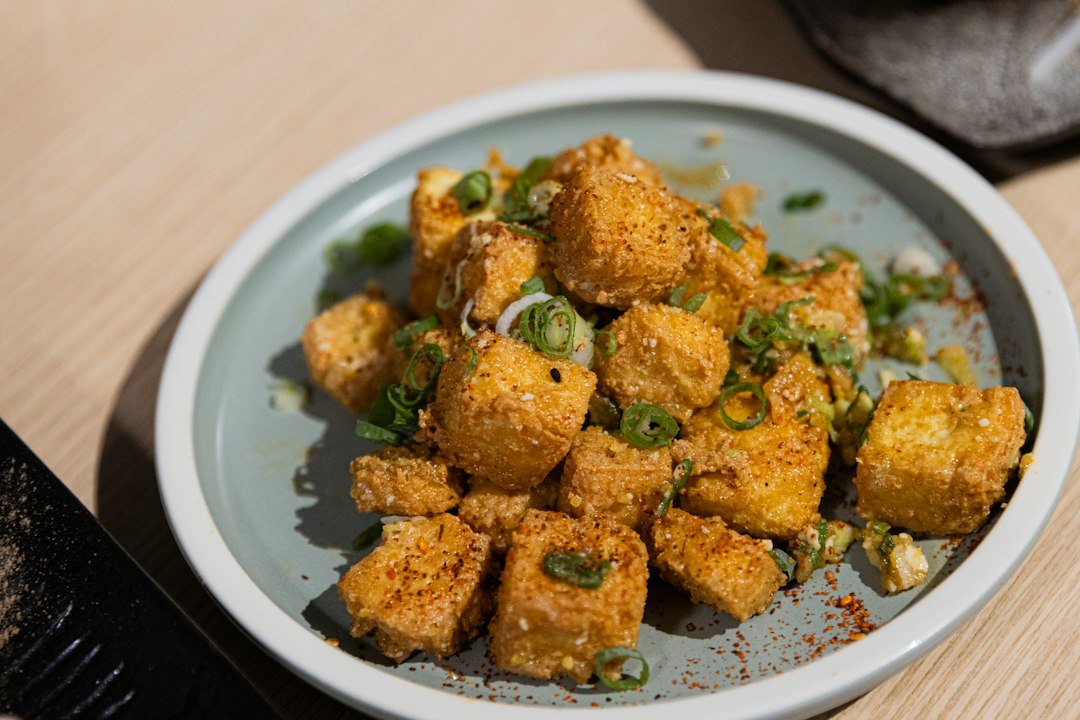
For crisp edges, pat the thawed tofu dry, season it, add a light coating of starch if desired, then bake, air-fry, or pan-cook until browned. Add sugary sauces near the end so they do not burn before the tofu crisps.
Bottom line
Freezing tofu is a texture tool, not a requirement. Use it when you want tofu to be chewier, more porous, and better at absorbing sauce. Keep tofu fresh when you want softness. Once you understand that trade-off, freezing becomes an easy technique you can use intentionally rather than automatically.



One Comment
Comments are closed.