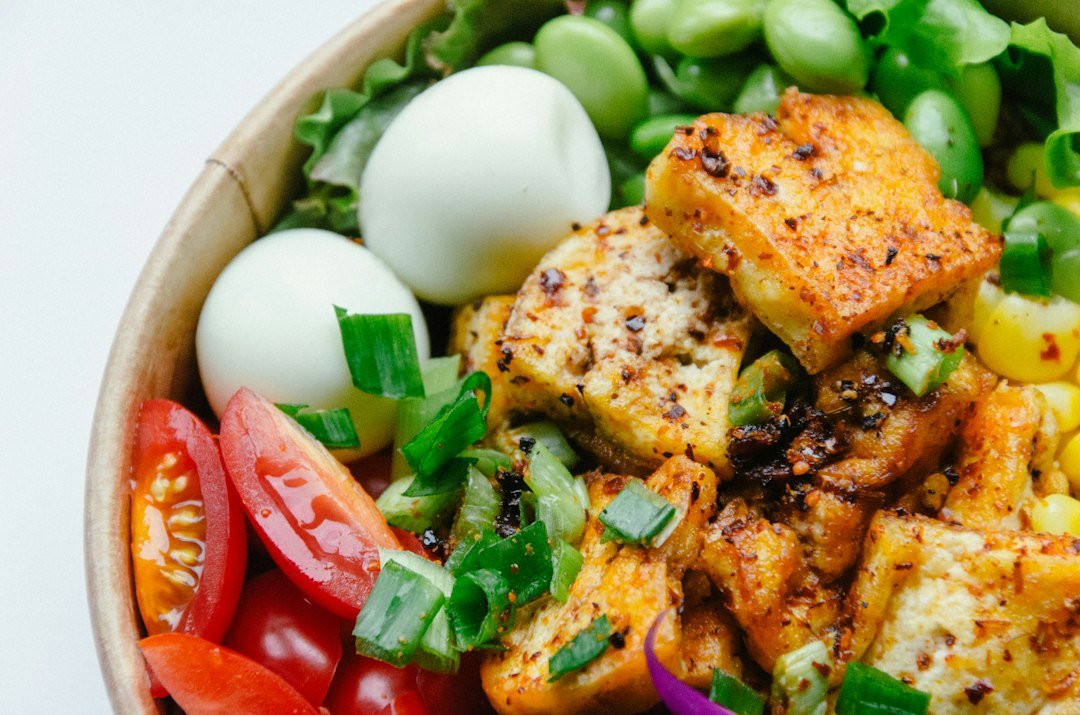
Why Tofu Won’t Absorb Marinade (and What Actually Helps)
If your tofu won’t absorb marinade, the problem may be the assumption that a dense block will soak up flavour like a sponge from edge to centre. Tofu is a protein-rich gel containing water, and marinades vary greatly in how deeply their components move into it. A long soak in a thick sauce can create a strongly seasoned exterior with a plain interior. The most useful fixes often involve smaller pieces, appropriate moisture control, stronger surface seasoning and finishing with sauce—rather than simply extending the marinating time.
Understand tofu’s structure
Firm tofu is made by coagulating soy milk and removing some of the water. Its network of proteins retains moisture and gives the block structure. Different tofu styles have different water content and textures, so a silken block and an extra-firm block do not respond identically to pressing or marinating. It is misleading to assume every flavour compound easily diffuses through the entire block. The goal of a marinade may be to coat and season the surface effectively, which can create a delicious finished dish without proving deep penetration.
1. Cut it into smaller, evenly sized pieces
A thick slab has far less surface area relative to its centre than thin slices or cubes. Cutting tofu smaller exposes more protein surface to a marinade and reduces the distance flavour would need to travel. For bowls and stir-fries, try bite-size cubes; for sandwiches, use relatively thin slabs. This approach also gives the final sauce more opportunity to cling after cooking. Thin pieces can be fragile, so turn gently. A textured or crumbled tofu recipe may distribute seasoning more evenly than a solid grilled steak-style portion.
2. Press only the tofu styles that suit pressing
Extra-firm tofu often benefits from removing surface or excess water before pan-frying because the outside can brown more readily. Wrap it in clean towels and place a moderate, stable weight on top, following the product’s instructions. Silken tofu is too delicate for this treatment and may break apart. Pressing is not a guaranteed way to make every marinade penetrate; it is primarily a moisture and texture adjustment. If your recipe involves soft tofu in soup, seasoning the broth may be better than trying to press the ingredient.
3. Use a balanced, not overly thick marinade
Oil, vinegar, aromatics, salt and sweet ingredients do different jobs. A syrupy sauce may coat well but move slowly through small pores and burn before the tofu browns. Thin the marinade with a little water or citrus juice if needed, then reserve a separate clean portion for a finishing glaze. A soy-sauce-free version can rely on lemon, mustard, smoked paprika or tomato paste. Our five tofu marinades without soy sauce supply flavour combinations. Avoid using marinade that contacted unsafe food as an uncooked table sauce.
4. Don’t assume overnight means deeply seasoned
Some ingredients diffuse slowly, and the rate depends on the tofu’s structure, temperature and marinade chemistry. Extended refrigerated marinating can season surfaces, but it does not ensure the centre tastes like the sauce. For everyday cooking, an efficient method is to cut the tofu smaller, marinate briefly, cook it properly and finish with more sauce. Keep any marinating tofu refrigerated, not on a countertop for hours. A marinade containing vinegar does not make it safe to store at room temperature.
5. Try freezing for a different texture
Freezing and thawing firm tofu can change its structure, often producing a chewier, more porous texture after water is pressed or squeezed out. That can change how sauce is held, though effects depend on the tofu and recipe. Freeze tofu safely, thaw it appropriately and avoid pressing silken tofu into rubble. A chewy frozen-and-thawed block is not necessary for every dish; creamy and delicate tofu preparations can benefit from a smoother original texture. See how to freeze tofu for better texture for the fuller method.
6. Season during cooking, not just beforehand
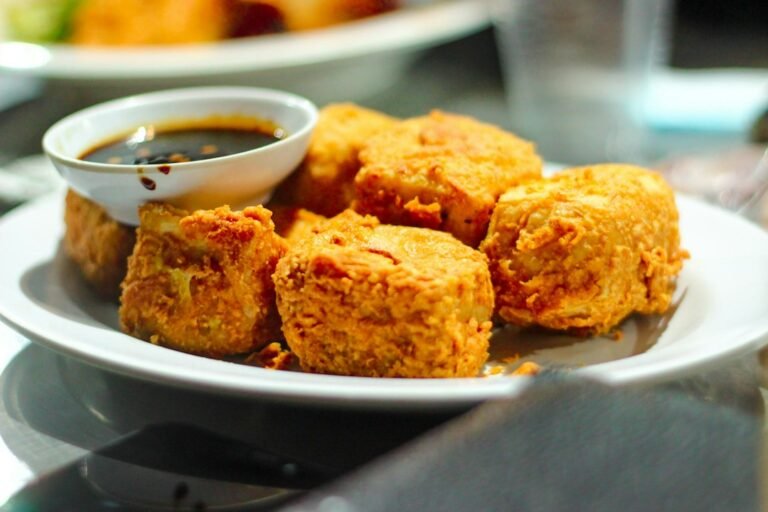
Tofu can taste bland even after marinating when the surrounding meal lacks salt, acidity or aromatics. Browning creates flavour through heat, while a finishing glaze adds a clearly perceptible surface coating. Pat overly wet pieces lightly dry, cook without crowding, and add sugar-rich sauces late enough to avoid scorching. For a saucier result, simmer cooked tofu briefly in a seasoned gravy or tomato-based mixture. This method relies on flavour surrounding each bite and doesn’t demand that the tofu’s centre become fully saturated.
7. Match the method to the dish
A tofu stir-fry works well with small browned cubes and a glossy sauce. A blended dressing or pudding is different: tofu becomes part of a uniform mixture and doesn’t need to absorb a marinade. In tacos, crumbled tofu distributes seasonings among many small pieces; in a sandwich, a thin slab can be topped with pickle, mustard or greens. Choose technique around how the food will be eaten. Our beginner tofu flavour guide compares several styles and cooking methods.
8. Test the right comparison
To determine what improves flavour, cook two or three equal portions with one variable changed. For example, compare thin slices with thick slabs using the same marinade and skillet. Or compare pressed and unpressed extra-firm tofu with equal heat and seasoning. Taste the finished dish rather than sampling uncooked or questionably stored tofu. A personal kitchen comparison helps you optimize flavour, but it does not establish a scientific diffusion rate or replace food-safety guidance.
Troubleshooting table in words
If the outside is salty and the inside plain, cut smaller or add a finishing sauce. If the tofu is rubbery, reduce cooking time or choose a softer style. If it won’t brown, dry the surface and avoid overcrowding. If the marinade burns, reduce the sugar or lower the heat. If a recipe says ‘press tofu’ while you’re holding a soft silken carton, use a recipe intended for that style. These targeted fixes generally outperform simply doubling all seasonings and hoping.
A clear kitchen expectation
Tofu does not have to taste identically seasoned from edge to centre to make a good meal. Contrast matters: crisp savoury crust, tender centre and a balanced sauce create different layers in a bite. That can be preferable to a uniformly salty piece. Begin with a manageable technique and build meals you can repeat. Most problems are solved by matching tofu type, cut and cooking method rather than buying an expensive gadget.
Frequently asked questions
Will tofu soak up marinade overnight?
It may take on flavour, particularly at the surface, but long marinating does not guarantee deep penetration.
Is pressing always necessary?
No. It depends on tofu type and desired texture, and silken tofu is generally unsuitable for heavy pressing.
Does freezing make tofu absorb more sauce?
Freezing can change texture and porosity, but results depend on style and handling.
Bottom line
The most dependable flavour strategy is smaller tofu pieces, appropriate moisture control, good browning and a finishing sauce. Design the method for the tofu style and dish rather than treating a longer marinade as a universal solution.