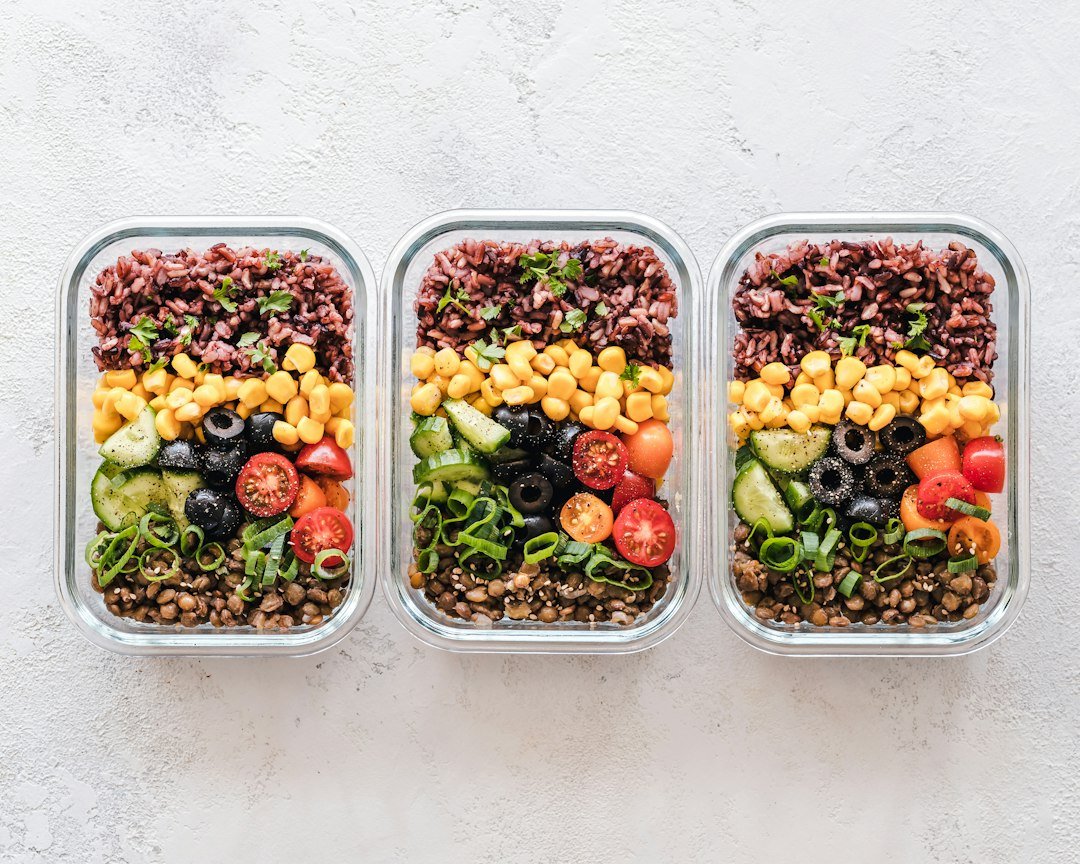
Plant-Based Freezer Meals: A Batch-Cooking Guide for Busy Weeks
A freezer can turn plant-based meal prep from a weekly chore into a flexible system. Instead of preparing five identical lunches and hoping you still want them by Friday, you can batch-cook meals that freeze well, portion them, and build a small rotation you can pull from when the week gets busy.
This guide to plant-based freezer meals and batch cooking focuses on foods that keep their texture, reheat easily, and use inexpensive ingredients such as beans, lentils, grains, vegetables, and tofu.
What plant-based meals freeze well?
The best freezer meals usually have some moisture and a sturdy structure. Good choices include:
- lentil or bean chili
- curries and dals
- tomato-based pasta sauces
- lentil shepherd’s pie filling
- bean and vegetable soups
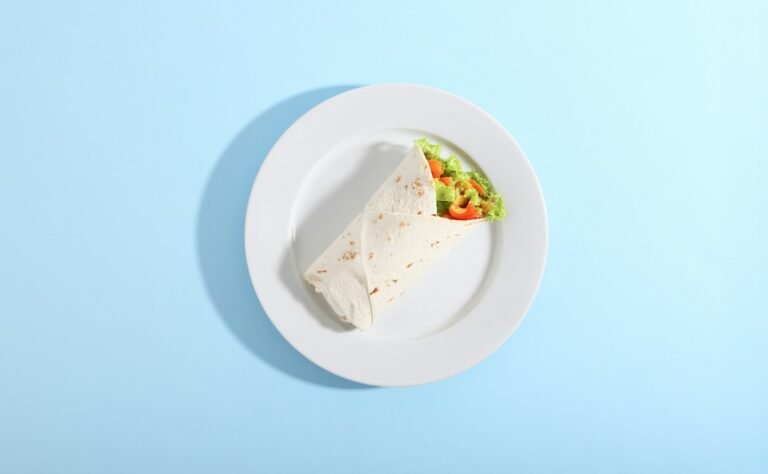
- burritos and bean-filled wraps
- cooked grains such as rice and quinoa
- marinated cooked tofu
- muffins, breakfast bars, and baked oatmeal portions
Foods with lots of water and delicate texture—such as lettuce, fresh cucumber, or some creamy emulsified sauces—often thaw less successfully.
Batch cooking works best when it matches the number of people and how they eat. Our one-person meal-prep system emphasizes avoiding leftovers, while meal prep for two and no-reheat lunch meal prep solve different storage and serving problems.
A simple batch-cooking strategy
You do not need to cook six complete recipes at once. A more efficient system is to prepare a few building blocks that overlap.
1. Choose one pot meal
Start with a large soup, chili, curry, or lentil stew. These recipes are forgiving, scale easily, and usually freeze well.
2. Cook one grain
Make rice, quinoa, barley, or another grain while the main dish simmers. Cool it and freeze in meal-size portions so you can reheat exactly what you need.
3. Prepare one protein component
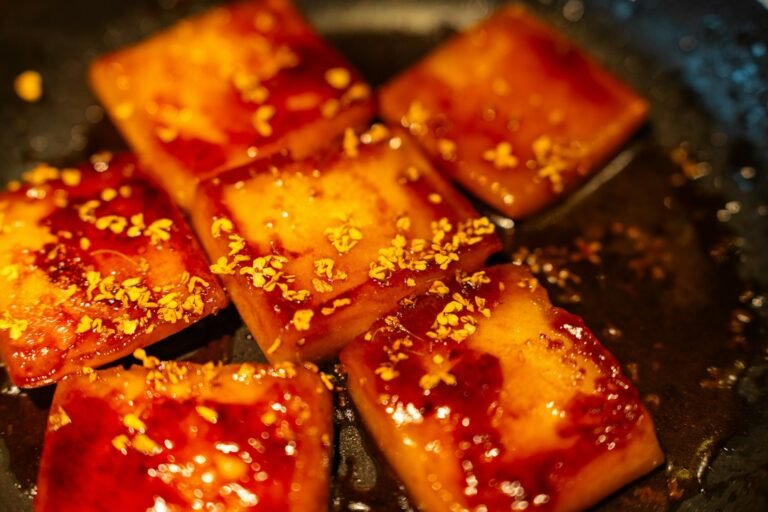
Bake or pan-cook tofu, tempeh, or seasoned beans. For tofu, use a bold marinade and brown it well before freezing. If you are still learning tofu technique, our beginner tofu guide covers pressing, seasoning, and texture.
4. Add one breakfast or snack
Baked oatmeal squares, muffins, or freezer-friendly breakfast burritos can make the batch session feel much more useful without adding another dinner recipe.
A 90-minute example workflow
Here is a practical order that lets several tasks overlap:
- Start a pot of lentil chili or curry.
- Get rice or quinoa cooking.
- Heat the oven and put a tray of seasoned tofu and vegetables in to roast.
- While everything cooks, label containers and prepare any toppings that will stay refrigerated rather than frozen.
- Let cooked foods cool promptly, portion them, and freeze what you will not eat within the next few days.
The goal is not to race the clock. The goal is to use passive cooking time instead of finishing one recipe before starting the next.
Cool and freeze food safely
Food safety still matters with plant-based meals. The USDA recommends refrigerating or freezing leftovers promptly and using shallow containers to help food cool quickly. It also advises that most cooked leftovers can be kept in the refrigerator for about 3 to 4 days. For more detail, see the USDA’s leftovers and food safety guidance.
Do not leave a large pot of food sitting on the counter for hours before freezing it. Divide big batches into smaller containers so they cool faster.
How long can freezer meals stay frozen?
According to USDA guidance, food kept continuously frozen at 0°F (-18°C) remains safe, although quality declines over time. For cooked leftovers, the USDA commonly recommends about 3 to 4 months for best quality.
Label containers with the meal name and date so the oldest food gets used first.
Best containers for plant-based freezer meals
Use freezer-safe containers or bags that close tightly. Leave some room for soups and sauces to expand as they freeze. Flat freezer bags are useful for chili, soup, and sauces because they stack efficiently once frozen.
For single-person households, individual portions are usually more useful than one giant container. You can thaw one dinner instead of committing to four days of the same food.
How to thaw and reheat freezer meals
The USDA lists the refrigerator, cold water, and microwave as safe thawing methods. Many cooked soups, stews, and casseroles can also be reheated from frozen; they simply take longer.
When reheating cooked leftovers, USDA guidance recommends heating them to 165°F (74°C). See its freezing and food safety page for more details.
Foods to freeze separately
Some meals are better when you freeze the base and add fresh ingredients after reheating:
- freeze curry, then add fresh cilantro or lime
- freeze burrito filling, then add fresh avocado after reheating
- freeze chili, then add crunchy tortilla chips later
- freeze grain bowls without leafy greens or fresh cucumber
- freeze pasta sauce separately when you prefer freshly cooked pasta
How to avoid freezer boredom
Build variety through sauces and formats. The same seasoned beans can become tacos, rice bowls, baked potato toppings, or soup additions. A batch of rice can pair with curry one night and tofu stir-fry another.
If you cook for one, combine this system with our plant-based meal prep for one person guide. The two approaches work well together: refrigerate what you will eat soon and freeze the extra portions before they become leftovers you are tired of.
A beginner freezer plan
If your freezer is currently empty, do not try to fill it in one day. Each time you make a freezer-friendly dinner, cook two extra portions and freeze them. After a few weeks you will have a useful mix of meals without a marathon cooking session.
Bottom line
Plant-based freezer cooking works best when you focus on sturdy meals, portion them realistically, cool them promptly, and label them clearly. Start with one pot meal, one grain, one protein component, and one breakfast item. The result is a freezer that gives you options instead of a stack of identical containers you feel obligated to eat.