Why Does Tempeh Taste Bitter After Cooking?
If your tempeh tastes bitter after cooking, several things could be happening: the natural fermented flavour may be stronger than you expected, the surface seasoning could be burnt, or the recipe may lack enough salt, fat or acidity to balance the flavour. Brief steaming or simmering can mellow some batches, but it is not a guaranteed cure. More importantly, bitterness and spoilage are not interchangeable. A genuinely questionable block should be discarded, not rescued with stronger sauce. Here is how to troubleshoot a normal, properly stored product.
First distinguish bitterness from spoilage
Traditional tempeh is made by fermenting cooked soybeans with a beneficial fungal culture that binds the beans into a cake. It can taste nutty, earthy and occasionally somewhat sharp. A mild bitter edge alone is not a reliable sign that a batch has spoiled. Conversely, lack of bitterness does not prove safety. Check packaging and storage instructions, whether the block is firm and whether it has unusual slime or a strongly unpleasant odour. When its condition is questionable, discard it before cooking. Our tempeh safety guide explains product types and required cooking.
Why the fermentation flavour varies
Tempeh is not one uniform commodity. The soybean variety, starter culture, fermentation duration, processing, refrigeration and pasteurization can all influence the final flavour. Some brands are mild and pleasantly nutty; others have a deeper fermented profile. If one brand tastes stronger than another, that does not automatically identify a safety problem or a particular ingredient. When testing tempeh for the first time, cook a small amount with simple seasoning. This provides a baseline before you add a sweet glaze, garlic or highly acidic sauce that may obscure where bitterness comes from.
Over-browning and burnt ingredients
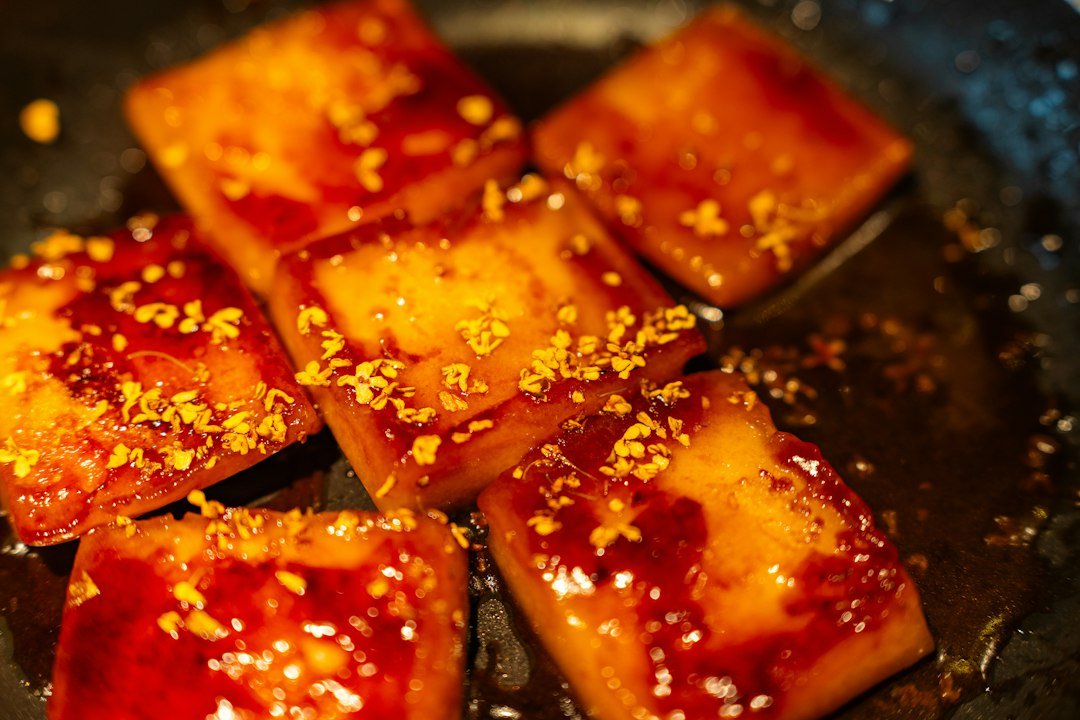
Tempeh contains solids that can colour and dry out on a hot pan. Marinades containing maple syrup, sugar, tomato paste, garlic or dried herbs may burn before the centre of a thick piece is hot. That can create a harsh bitter taste that did not exist in the uncooked block. Use moderate heat, allow enough space, turn once a surface has browned and add sugary sauces nearer the end. The remedy for burned garlic is not more lemon; it is to adjust the cooking technique. If necessary, make a fresh, more gently heated batch.
Try gentle steaming or simmering first
Some cooks steam or simmer tempeh briefly before browning because they prefer the softer texture and mellower taste. It may help with a strong fermented edge, but not every product needs it. Use a stable steamer or gently simmer slices in water or low-sodium broth for roughly 8–12 minutes as a flavour-preparation step. Follow any additional package requirements for thorough cooking. Afterward, drain and pat the pieces dry so the next cooking stage develops a crust rather than steaming them again in excess liquid. Our guide to steaming tempeh without a basket offers an equipment-free method.
Balance salt, acid, fat and sweetness
A pleasant marinade combines multiple flavour dimensions. Salt can sharpen savoury notes, lemon juice or vinegar brightens the finish, a little oil improves mouthfeel and a small sweet component balances stronger edges. These are adjustments, not a requirement to conceal poor-quality food. Start with modest quantities and taste the completed dish, not raw suspicious tempeh. If avoiding soy sauce, our four tempeh marinades without soy sauce use mustard, citrus and herbs. Remember that traditional tempeh still contains soy unless a non-soy version is clearly labelled.
Use thinner slices and the right cooking format
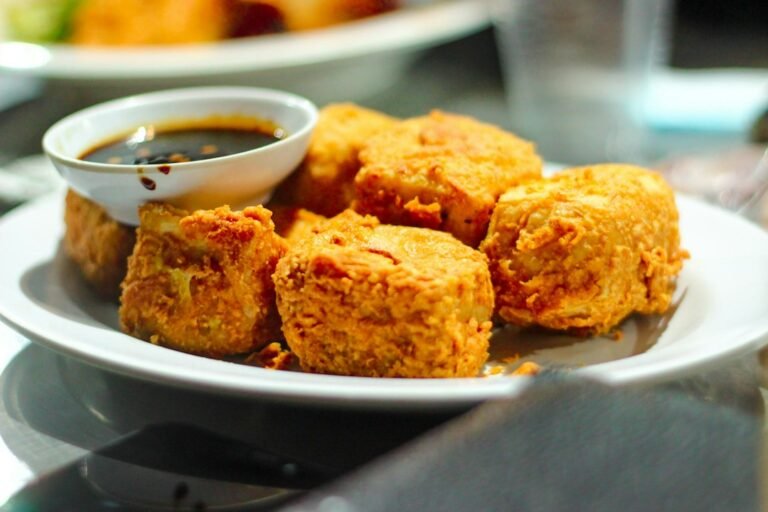
Thin slices have more browned surface relative to their centre and tend to pick up seasoning more readily. Crumbles distribute into a strongly flavoured sauce; thick slabs keep a more pronounced interior taste. If your first attempt was a thick pan-fried block, try smaller cubes in a rice bowl or crumbs cooked with tomato, onion and smoked paprika. Do not force a firm block into thin slices while frozen, and avoid filling the skillet so tightly that the pieces steam instead of browning. An adequately seasoned exterior is often the main difference between ‘earthy’ and ‘pleasantly savoury’.
Test one variable at a time
When a recipe tastes off, it is tempting to change everything at once: steam longer, add more mustard, use a different pan and double the syrup. That makes it difficult to know what helped. On your next normal, safely handled block, try changing only slice thickness or browning temperature. Then compare a small steamed portion with a non-steamed portion using the same seasoning. Keep a note of brand and method. This is a kitchen experiment about taste, not a microbiological safety test. Never use tasting to investigate a product that looks or smells spoiled.
Plan a gentler meal for beginners
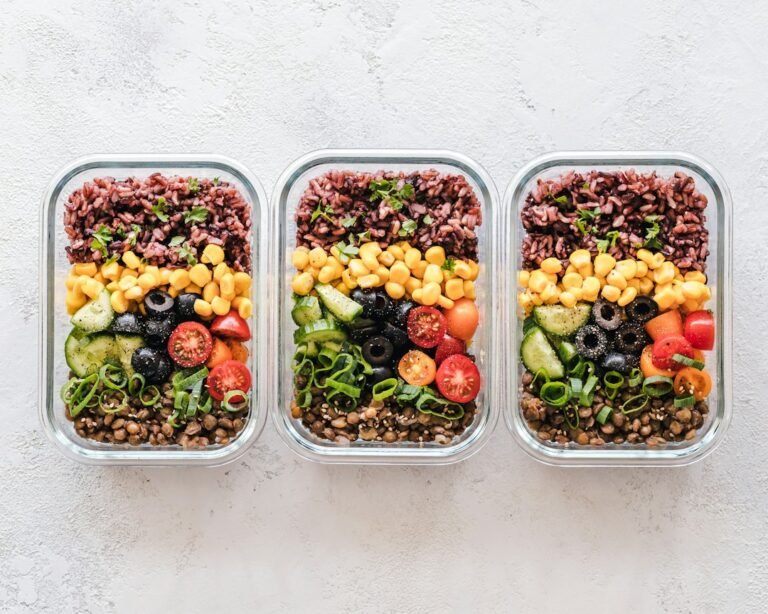
Combine cooked, appropriately seasoned tempeh with mild foods that balance its stronger character. A grain bowl with rice, roasted carrots and lemon-tahini sauce works differently from eating tempeh straight out of the skillet. Wraps, tomato-based crumbles and glazed cubes are forgiving formats for someone learning the taste. Our beginner tempeh recipes offer several starting points. With repetition you may find you enjoy the fermented flavour rather than feeling you must erase it.
Frequently asked questions
Does steaming completely remove bitterness?
No. It can mellow flavour in some tempeh, but results depend on the block, recipe and cooking method.
Is bitter tempeh spoiled?
Not necessarily. Check handling history, texture and smell; dispose of a block with signs of deterioration rather than relying on taste.
Will marinating overnight fix bitter tempeh?
Not always. Thin slicing, appropriate heating and balanced seasoning can matter more than extra marinating time.
Bottom line
Start with the cooking process: avoid scorching sauces, slice thinner and try a brief steam or simmer if the product is strongly flavoured. Only troubleshoot tempeh that has been stored and handled properly; suspect food should be discarded, not seasoned more heavily.