Best Plant Milk for Baking: Soy vs Oat vs Almond
Most plant milks can replace dairy milk in a simple muffin or pancake batter, but they do not all behave exactly the same. Protein, fat, starch, sweetness, and added gums can affect browning, tenderness, thickness, and how well a milk curdles with acid.
If you are choosing the best plant milk for baking, soy milk is the most reliable all-purpose option for many recipes, while oat milk is excellent for tender cakes and quick breads. Almond milk works well when a lighter result is fine. The best choice depends on what you are baking.
Why plant milks behave differently in baking
Baking is partly about structure. Milk contributes water, but it can also contribute protein, fat, sugars, and solids. A higher-protein plant milk tends to behave more like dairy milk in recipes where browning, emulsification, or curdling matters.
That is why two cartons that look interchangeable in a cereal bowl can produce slightly different cakes.
Soy milk: the most versatile baking option
Unsweetened soy milk is often the easiest one-to-one replacement when a recipe was originally written for dairy milk. It generally has more protein than oat, almond, or rice beverages, which helps in recipes where structure and browning matter.
Best for: cakes, muffins, pancakes, enriched breads, biscuits, custards, and recipes that use vegan buttermilk.
Soy milk also curdles reliably when mixed with lemon juice or vinegar, which is useful when a recipe needs an acidic milk mixture. If soy is an allergen in your household, oat milk is the next broadly useful option.
Oat milk: great for tender cakes and quick breads
Oat milk usually has a mild flavor and creamy texture. It works especially well in muffins, banana bread, loaf cakes, pancakes, and other batters where you want softness rather than a very firm set.
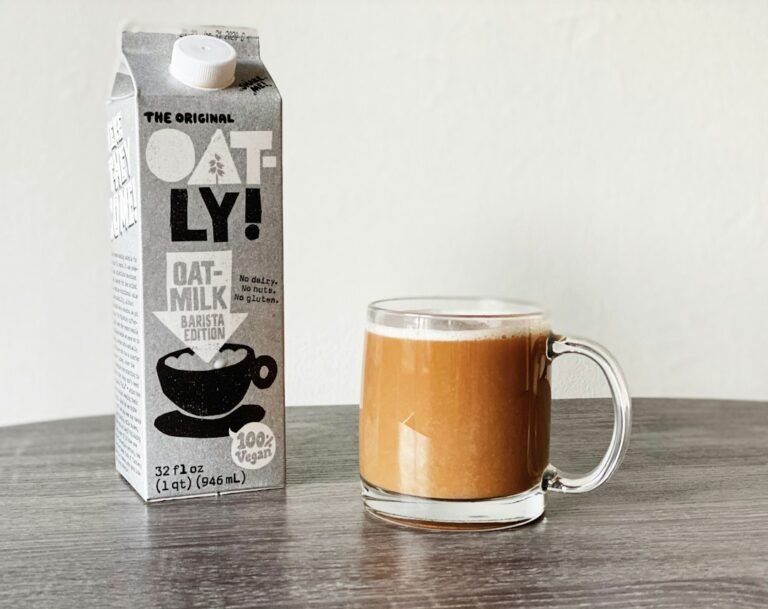
Some oat milks are naturally a little sweeter, and barista versions may contain more fat or stabilizers. Choose unsweetened regular oat milk when you want the recipe’s original sweetness to stay predictable.
Best for: muffins, quick breads, cakes, pancakes, waffles, and cookies that use a small amount of milk.
Almond milk: a lighter substitute
Almond milk tends to be thinner and lower in protein than soy milk. In many everyday recipes that is not a problem. It is especially easy to use in pancakes, muffins, and simple cakes.
Where you may notice a difference is in custards, enriched yeast doughs, or recipes that depend heavily on milk solids. The finished bake may brown a little less or feel lighter.
Best for: pancakes, muffins, lighter cakes, and recipes where milk is a minor ingredient.
What about pea milk?
Pea-protein beverages can be useful in baking because many provide a protein level closer to soy or dairy milk. They can work well in breads, cakes, and pancakes. Flavor varies more by brand, so taste the beverage before putting it into a delicate vanilla dessert.
What about coconut milk?
There are two very different products called coconut milk. Carton coconut beverages are relatively thin and can often be used like almond milk. Canned coconut milk is much richer and should not automatically replace a cup of ordinary milk in a recipe.
Canned coconut milk is better thought of as a cream-like ingredient for rich desserts, fillings, sauces, and recipes specifically designed for it.
Rice milk
Rice milk is usually thin and low in protein. It can work in simple batters, but it is not the first choice when a recipe needs richness or structure. It can still be valuable for people avoiding several common allergens.
Your choice of milk is only one part of vegan baking. For recipes also missing eggs, compare brownie egg substitutes without applesauce and banana-free egg substitutes for muffins. Different bakes need different combinations of binding, moisture and leavening.
Best plant milk by baking job
- Cakes: soy or oat
- Muffins and quick breads: oat, soy, or almond
- Pancakes and waffles: soy, oat, almond, or pea
- Vegan buttermilk: soy is usually the most reliable
- Custards and puddings: soy or a higher-protein pea beverage
- Yeast breads: soy or oat
- Rich desserts: canned coconut milk when the recipe is designed for it
Unsweetened or sweetened?
For most baking, unsweetened and unflavored is the safest default. Sweetened vanilla milk can work in desserts, but it changes both flavor and sugar content. It is especially noticeable in lightly flavored cakes or breads.
Our fortified plant-milk label guide explains how protein, calcium, vitamin D, B12, and added sugar vary across cartons.
Can you swap plant milk 1:1?
In most muffins, pancakes, waffles, and simple cakes, yes: start with a one-to-one swap. If the batter looks dramatically thinner or thicker than expected, adjust cautiously rather than changing several ingredients at once.
For a recipe where milk is central to the structure—such as custard, enriched bread, or a milk-heavy sauce—choose a higher-protein option and follow a recipe that was tested with plant milk when possible.
What about baking with an egg substitute too?
Changing both the milk and eggs increases the number of variables in a recipe. That is completely workable, but use reliable ratios. For pancakes, see our vegan egg substitutes for pancakes without banana.
Bottom line
If you want one carton that handles the widest range of baking, unsweetened soy milk is a strong default. Oat milk is an excellent second choice, especially for cakes and quick breads. Almond milk works well for lighter everyday baking. Choose based on the job, not on a universal ranking.




2 Comments
Comments are closed.