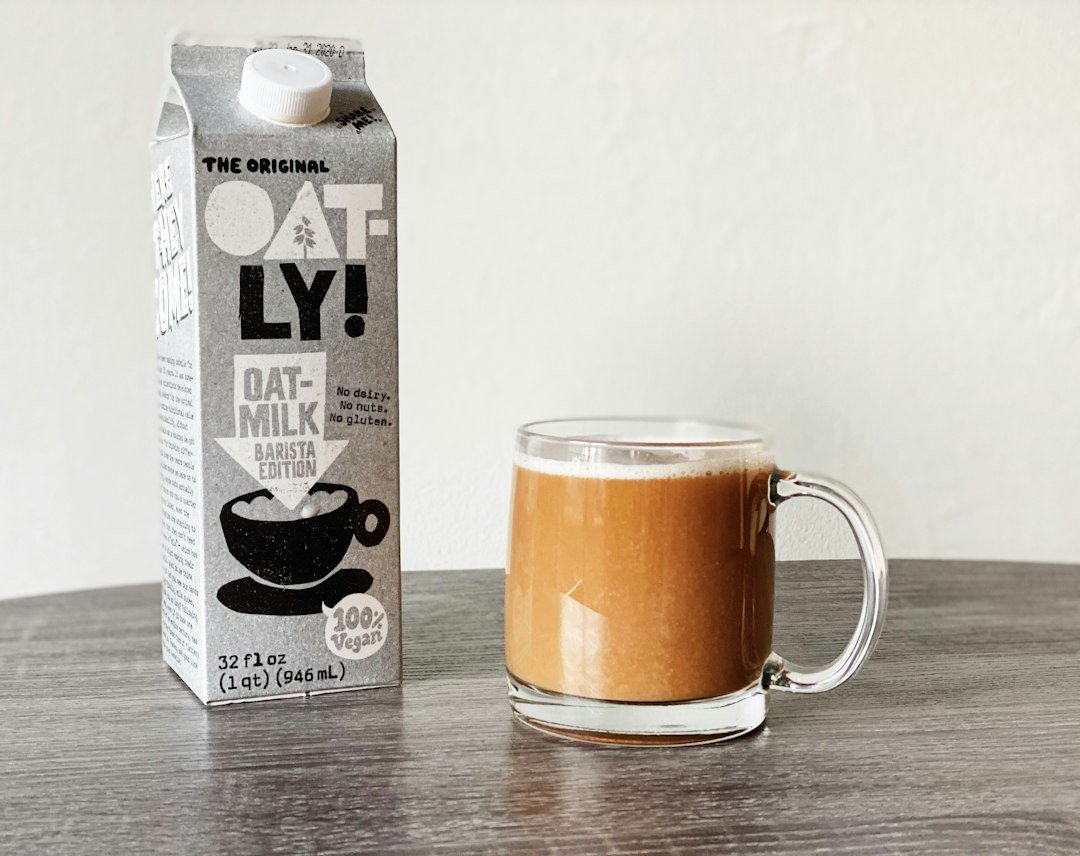
Barista Oat Milk vs Regular Oat Milk: Ingredients and Nutrition
Barista oat milk is designed to perform consistently in coffee, while regular oat milk may be formulated mainly for drinking, cereal or cooking. That often involves differences in added fats, texture ingredients or mineral balance, but there is no single rule that every barista carton is higher in oil or lower in nutrients. The right comparison is between specific products with similar serving sizes. Below is a practical guide to reading the labels and deciding whether paying more for a barista formulation actually helps.
What the barista label usually promises
Barista products are designed to foam, pour and mix reasonably well with espresso and other hot drinks. Stable microfoam is useful for cappuccinos and latte art; a carton that quickly separates can be frustrating for coffee drinkers. Companies may achieve those results through processing, fat balance and stabilizers. The word ‘barista’ is a product descriptor rather than a standardized claim that automatically means higher protein, more calcium or better health. A regular carton may already work well in your preferred coffee, particularly if you do not make elaborate foam.
Compare the ingredient lists
Start by checking both cartons from the same brand if possible. Water and oats often appear first; subsequent ingredients might include vegetable oil, salt, an acidity regulator, calcium or vitamins. Some barista versions use additional oil for body or different stabilizers for foam, while some regular versions do as well. Do not assume the extra ingredients are automatically undesirable. Ask what they are intended to do and whether the finished beverage fits your dietary needs. Ingredient count alone does not reveal nutrient content or your likely serving size.
Protein can be low in both versions
Many oat-based drinks provide less protein than fortified soy beverages, though formulations differ. A barista label does not change that basic nutritional question. If the drink is an occasional splash in espresso, the protein gap may be trivial for your daily diet; if it replaces several glasses of dairy milk, it deserves more attention. Compare the grams in an equivalent volume. Our fortified plant milk guide explains when a high-protein soy or pea alternative may be appropriate and why label comparisons matter.
Calcium, vitamin D and B12 are not guaranteed
Two oat milks can look almost identical but list different vitamin and mineral fortification. Some contain added calcium and B12; others do not. Neither a creamy texture nor the word barista proves the drink matches another beverage’s nutrient profile. Check the Nutrition Facts panel when using plant milk regularly. Added minerals may also settle in certain formulations, so follow any shake instructions. For more on how calcium behaves in cartons, see calcium settling in plant milk.
Sugar and sweetness require a closer look
Oat beverages can taste naturally sweet because oat starch is processed into smaller carbohydrates during manufacturing. That is not the same issue as a product deliberately listing added sugar or sweetener. Read the relevant carbohydrate and sugar entries together with the ingredient list, recognizing that labelling differs by country. Unsweetened or original names can be used across distinct formulations. For savoury soup or mashed potatoes, select unflavoured products rather than assuming a coffee-oriented barista milk will give a neutral taste.
Why foam quality changes in coffee
Coffee is hot and acidic, while oat milk is a complex mixture of water, carbohydrate, fat and tiny suspended particles. Processing and emulsification affect how it interacts with steam and espresso. A barista product may create smoother foam and resist separation, but results also depend on espresso temperature, steaming technique and equipment cleanliness. A beverage that performs beautifully with a steam wand may not be noticeably better in an iced latte poured over ice. Test against your actual routine before paying a premium.
Which one for oatmeal, baking and smoothies?
For oatmeal and most smoothies, regular unflavoured oat milk usually supplies the liquid texture you need without paying for specialized coffee performance. For baking, the amount of fat and added sugar may alter a recipe; measuring and comparing labels is more useful than relying on the barista name. Some cakes and quick breads are forgiving, while delicate sauces require more careful flavour selection. Our soy versus oat versus almond milk baking guide helps match beverages to cooking jobs.
A five-minute aisle comparison
Record the serving size on both cartons, then compare protein, saturated fat, sugars, calcium and vitamins D and B12. Check which oils, gums or stabilizers are listed and whether you have an allergy concern. Note the price per litre rather than only the package price. Finally decide whether you need foaming for coffee or simply a neutral milk for general cooking. A barista version is worth paying for if it solves a repeated coffee problem; it is not automatically worth replacing every beverage in your kitchen.
Frequently asked questions
Is barista oat milk healthier?
Not inherently. Compare actual nutrition labels, portion sizes and your uses.
Can I use barista oat milk in baking?
Often yes, but added fat, sugar or flavouring may affect delicate recipes. Unsweetened unflavoured choices are generally easier to adapt.
Does barista oat milk always contain oil?
No universal formulation rule applies; read the ingredients on the specific carton.
Bottom line
Buy barista oat milk for proven coffee performance, not because the name suggests superior nutrition. When it is a routine milk replacement, protein and fortified nutrient amounts are at least as important as foam.