Plant-Based Family Meals for Picky Eaters: 10 Build-Your-Own Ideas
Family meals become much easier when dinner does not depend on everyone liking the same mixed dish. For picky eaters, a build-your-own format lets one person keep a meal simple while another adds more vegetables, sauces, or unfamiliar ingredients.
These plant-based family meals for picky eaters use familiar bases and separate components. The goal is not to hide foods or pressure anyone into eating a perfect plate. It is to make one dinner flexible enough for different preferences.
1. Build-your-own taco night
Set out tortillas, seasoned beans or lentils, rice, lettuce, corn, tomato, avocado, and salsa. Keep each item separate. Someone who wants a plain bean-and-rice taco can have that; someone else can add every topping.
2. Pasta bar
Cook one familiar pasta shape and offer tomato sauce, a creamy plant-based sauce, white beans or lentils, steamed peas, and a vegetable on the side. Do not automatically stir everything together.
A familiar plain pasta base can make it easier to try one optional topping without changing the entire meal.
3. Rice-bowl night
Use rice as the base, then set out tofu or beans, roasted vegetables, cucumber, corn, avocado, and two sauces. Let everyone build their own bowl.
Our plant-based grain-bowl sauces give five easy options that can be served separately.
4. Baked potato bar
Bake potatoes and offer toppings such as beans, corn, steamed broccoli, chopped green onion, salsa, hummus, or a plant-based cheese. A plain potato can remain familiar while toppings are available without pressure.
5. Pita pizza night
Use pita or flatbread as individual pizza bases. Put out tomato sauce, mushrooms, peppers, olives, pineapple, spinach, and a cheese alternative if your family uses one. Everyone chooses their own toppings.
If you are shopping for dairy-free cheese, our vegan cheese ingredient guide explains common bases, allergens, sodium, saturated fat, protein, and fortification.
6. Snack-board dinner
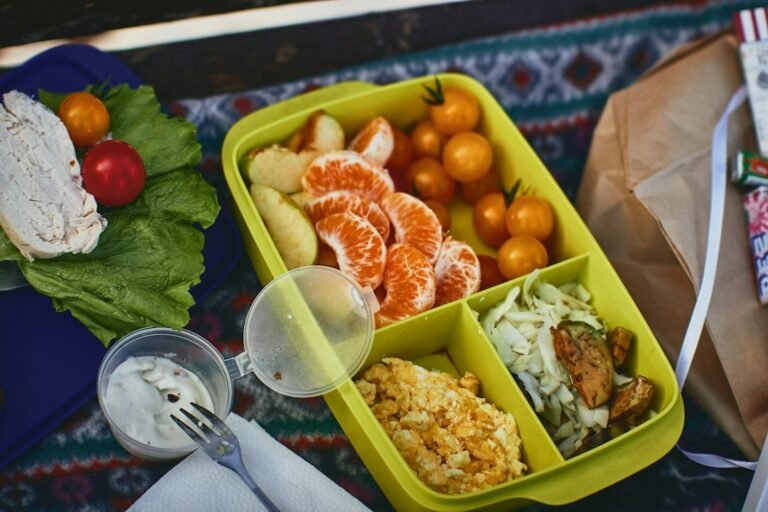
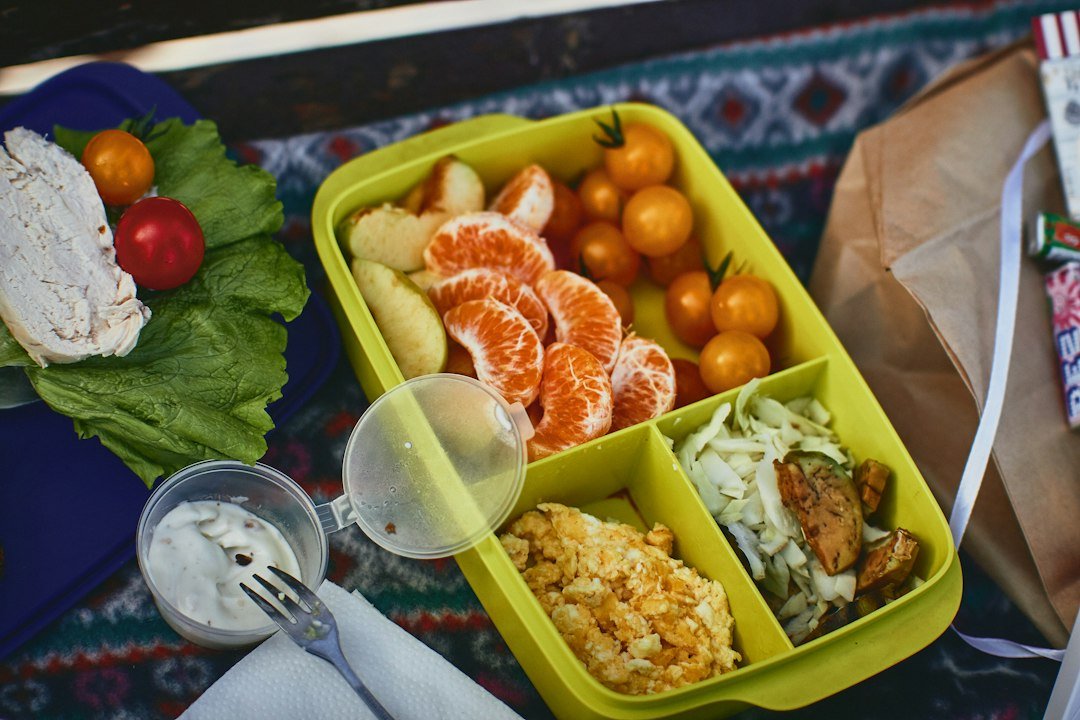
Arrange hummus, crackers or pita, fruit, cucumber, carrots, roasted chickpeas, edamame, olives, and a dip on the table. A snack-board format makes foods visually separate and gives everyone control over combinations.
For younger family members, prepare foods in developmentally appropriate sizes and textures.
7. Breakfast-for-dinner
Pancakes, toast, fruit, roasted potatoes, nut or seed butter, and tofu scramble can make a very approachable dinner. If pancakes need to be egg-free, our banana-free vegan pancake egg-substitute guide has six options.
8. DIY noodle bowls
Serve noodles with edamame or tofu, shredded carrots, cucumber, cabbage, and a sauce on the side. Keep some noodles plain for anyone who dislikes sauce.
A peanut sauce can be replaced with sunflower-seed butter where nut restrictions apply.
9. Soup plus sides
Instead of expecting a picky eater to enjoy a soup with many mixed ingredients, pair a simple soup with bread, fruit, hummus, crackers, or beans served separately. The family can share the same meal structure without identical bowls.
10. Burrito-board dinner
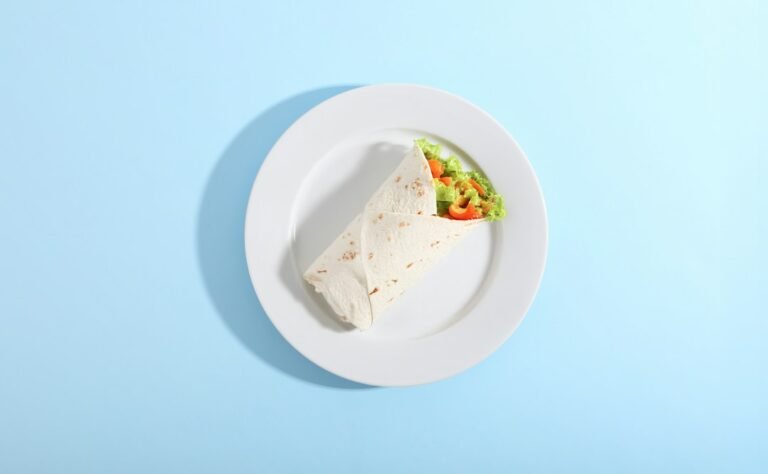
Put rice, black beans, corn, lettuce, salsa, guacamole, and tortillas on the table. This overlaps with tacos but feels different when people can make burritos, bowls, or simple roll-ups.
Use the “safe food + learning food” approach
A practical meal can include at least one familiar food that a picky eater usually accepts plus optional foods that are less familiar. The familiar food is not a reward for eating something else; it is simply part of dinner.
This reduces the pressure on one new food to carry the entire meal.
Do not hide every plant food
Blending vegetables or beans into sauces can be a useful cooking technique, but hiding foods should not be the only strategy. Knowing what food is on the plate helps people build familiarity and trust. A blended sauce can coexist with visible vegetables or beans offered separately.
Repeat foods without making the week identical
Rice can appear in tacos, bowls, and burritos. Chickpeas can become hummus, roasted chickpeas, or sandwich filling. The same vegetables can be raw one day and roasted the next.
Repeating ingredients saves money and reduces waste while changing the presentation enough to keep meals interesting.
Plan one meal, not several separate dinners
The build-your-own model works because the cook prepares one set of components. Avoid becoming a short-order kitchen where each person gets a completely separate entrée. Instead, create a common meal with flexible assembly.
Our 5-day plant-based meal plan for picky eaters shows how to use this idea across a full week.
Nutrition without making dinner stressful
Over time, aim for variety across protein foods, grains or starchy foods, fruits and vegetables, fats, and reliable sources of key nutrients such as vitamin B12 and calcium. One dinner does not need to contain every possible nutrient.
If a child or teen has an extremely limited food range, significant anxiety around food, growth concerns, or a rapidly shrinking list of accepted foods, individualized guidance from a pediatric clinician or dietitian can be more useful than simply adding more recipes.
Bottom line
The easiest plant-based family meals for picky eaters are flexible meals with a shared base and optional components. Tacos, pasta bars, potatoes, pizzas, bowls, snack boards, and noodle nights let everyone participate in one dinner without demanding identical preferences. Familiarity, repetition, and low-pressure choice make the system sustainable.