
How to Eat Plant-Based While Traveling: A Practical Travel Food Guide
Eating plant-based at home is predictable: you know your grocery store, your kitchen, and your usual meals. Travel removes all three. The good news is that you do not need a perfect vegan restaurant on every corner to eat well.
The easiest way to learn how to eat plant-based while traveling is to build a backup system before you leave: know a few reliable cuisines, save grocery options, carry a small emergency snack, and learn how to assemble meals from ordinary foods.
Research food before the trip
Spend a few minutes looking at the area around your hotel, rental, or destination. Save several possibilities rather than one “must-visit” restaurant in case hours change or plans move.
Look for:
- grocery stores and markets
- restaurants with clearly labeled vegan or vegetarian options
- cafes that offer plant milk
- fast-casual places where bowls or wraps can be customized
- hotel breakfast options
Recent reviews can be more useful than old blog posts because restaurant menus and opening hours change.
Learn the easiest restaurant formats
Some meal formats are naturally easy to customize:
- grain bowls
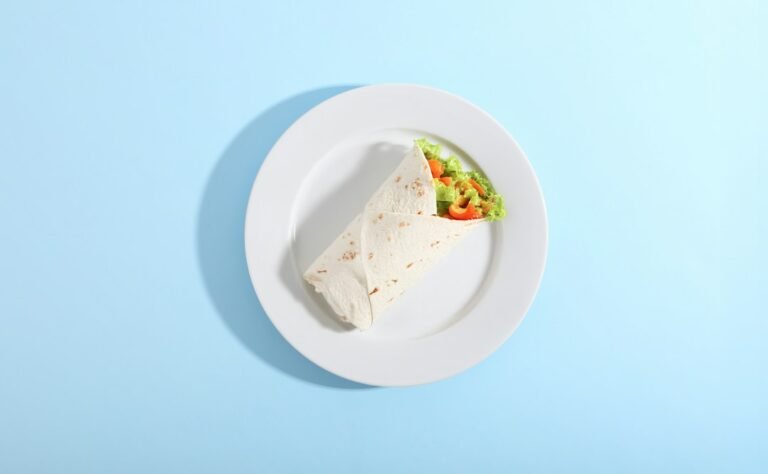
- burritos and tacos
- falafel plates
- Indian dals and vegetable curries
- Thai or Vietnamese noodle and rice dishes
- Mediterranean mezze
- pasta with tomato or vegetable sauces
- build-your-own salads with beans or tofu
Ask specific questions when necessary. “Does this contain dairy, egg, fish sauce, or meat broth?” is often clearer than asking whether something is “plant-based,” since people use that term differently.
Use grocery stores as your backup plan
A grocery store can be more dependable than a restaurant, especially on road trips or in small towns. You can build a simple meal from bread or wraps, hummus, fruit, ready-to-eat vegetables, beans, nuts or seeds, plant yogurt, cereal, and fortified plant milk.
If your room has a mini fridge or microwave, your options expand quickly.
Pack a small travel food kit
You do not need a suitcase full of food. A few shelf-stable items can prevent the moment when the only available meal is plain fries.
Useful options include:
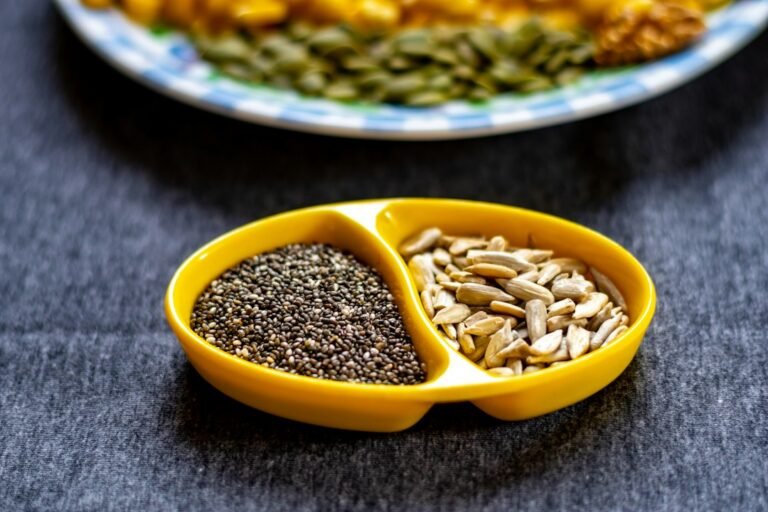
- nut or seed butter packets
- roasted chickpeas
- trail mix
- whole-grain crackers
- energy or granola bars that fit your preferences
- instant oatmeal
For air travel, check current airport and border rules before packing fresh food, liquids, or produce.
Plant-based eating at airports
Airports can be unpredictable, but you can usually improve your odds by eating before arriving and carrying one shelf-stable backup.
Once inside, look for oatmeal, fruit, bagels, hummus, bean-based bowls, vegetable sushi, salads with legumes, or customizable burritos. If a meal is light on protein, do not panic over one travel day; aim for a balanced pattern across the trip rather than perfect nutrition at every stop.
Hotel breakfast strategies
Basic hotel breakfasts often have several plant-based building blocks even when there is no dedicated vegan menu:
- oatmeal
- fruit
- toast or bagels
- peanut butter
- cereal
- potatoes
- plant milk, if available
If you know the hotel has limited choices, pick up a small carton of fortified plant milk or another breakfast item the night before.
Road trips
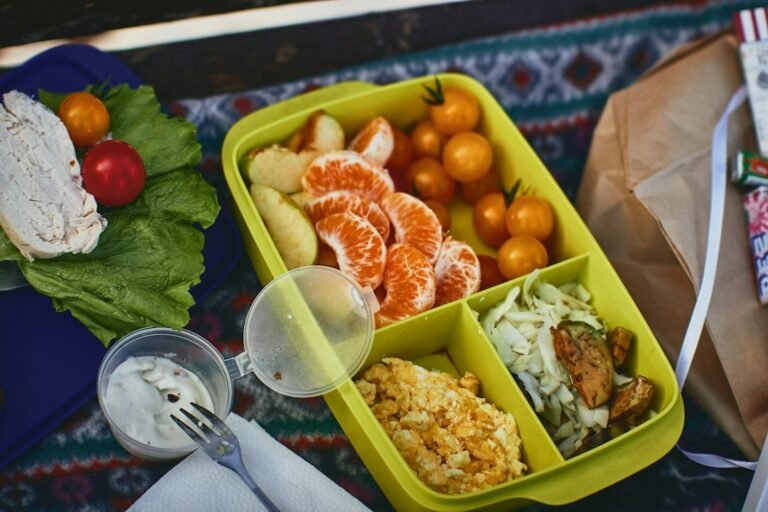
For a road trip, a small cooler makes plant-based eating much easier. Pack wraps, cut vegetables, hummus, fruit, overnight oats, sandwiches, or leftovers that can be kept cold.
Our plant-based lunches that do not need reheating are also useful road-trip ideas because they are designed to taste good cold.
Traveling where you do not speak the language
Learn or save a few short phrases explaining the ingredients you avoid. A translation app or dietary card can help, especially when terms like broth, gelatin, fish sauce, butter, or egg are hard to identify from the menu.
Keep the message simple. A long explanation of dietary philosophy is less useful than a clear ingredient question.
Do not depend only on “vegan” restaurants
Dedicated vegan restaurants can be great, but a flexible traveler also learns to identify naturally plant-based foods in local cuisine. That approach can make trips more interesting and reduce the feeling that you must plan every day around one restaurant.
Rice, beans, lentils, bread, noodles, potatoes, vegetables, fruit, tofu, and chickpeas appear in cuisines all over the world. The details and seasonings change, but the building blocks are familiar.
Balance nutrition without turning travel into a spreadsheet
Travel days will not always look like your normal meals. Focus on a few basics:
- eat regular meals rather than relying entirely on snacks
- include a protein food when practical
- choose fruits or vegetables when they are readily available
- stay hydrated
- return to your usual eating pattern when the trip is over
If you regularly rely on fortified foods for nutrients such as B12 or calcium, think ahead about how you will maintain those sources during a longer trip. Our guides to B12-fortified foods and dairy-free calcium sources can help with planning.
A simple travel rule: one plan and one backup
For each travel day, know where you expect to get your main meal and have one backup if that plan fails. The backup might be a grocery store, a customizable chain restaurant, or food you packed.
That is usually enough planning to make plant-based travel feel easy without turning your itinerary into a restaurant spreadsheet.
Bottom line
Eating plant-based while traveling is mostly a logistics problem, not a food problem. Research a few options, use grocery stores confidently, pack a small emergency snack, ask specific ingredient questions, and stay flexible. You do not need every meal to be perfect—you just need enough reliable choices to keep the trip moving.
One Comment
Comments are closed.