Plant-Based Calcium Sources Without Dairy: A Practical Daily Guide
Getting enough calcium without dairy is possible, but it helps to know which foods contribute meaningful amounts and which details on the label matter. The most dependable plant-based calcium sources without dairy tend to be fortified plant beverages, tofu made with calcium salts, selected leafy greens, beans, and some seeds.
This guide is about building a practical food pattern, not chasing one “superfood.” Calcium needs vary by age and life stage, so anyone with a diagnosed deficiency, medical condition, or questions about supplements should speak with a qualified health professional.
How much calcium do people need?
The U.S. National Institutes of Health lists recommended calcium intakes of 1,300 mg per day for ages 9–18, 1,000 mg for most adults ages 19–50, and higher amounts for some older adults. Those are general reference values, not personalized medical advice. You can review the full age-by-age table in the NIH calcium fact sheet.
The most practical dairy-free calcium sources
Fortified plant milk
Fortified plant beverages are one of the easiest ways to add calcium consistently because many products are formulated to provide a substantial amount per serving. Health Canada specifically lists unsweetened fortified oat, soy, cashew, and almond beverages among foods that can help people get enough calcium.
Do not assume every carton is fortified. Read the Nutrition Facts table and compare calcium per serving. If you already use plant milk daily, our guide to choosing fortified plant milk explains how to compare calcium, protein, vitamin D, B12, and added sugar.
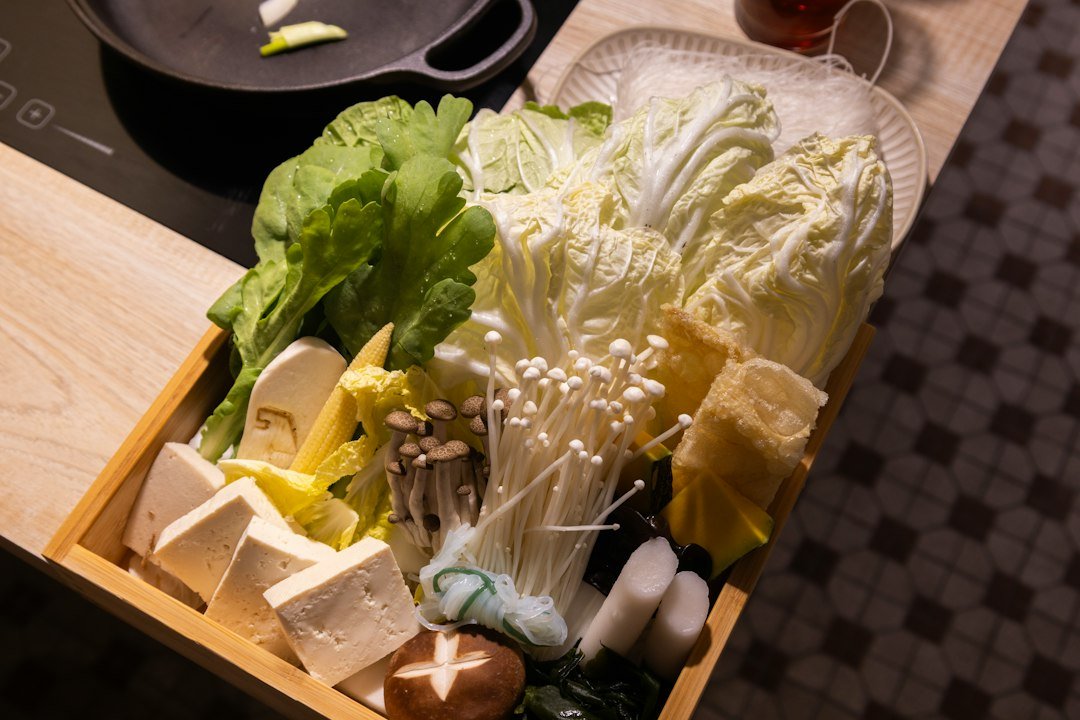
Calcium-set tofu
Tofu can be an excellent calcium source, but the amount varies dramatically. Look at both the ingredient list and the Nutrition Facts panel. Products made with calcium sulfate or another calcium-containing coagulant may provide much more calcium than tofu set with other coagulants.
Health Canada includes tofu prepared with calcium among efficient ways to help meet calcium needs. If tofu is new to you, start with our beginner guide to making tofu taste good so the food is something you actually want to eat regularly.
Low-oxalate leafy greens
Kale, bok choy, Chinese broccoli, turnip greens, mustard greens, and similar vegetables can contribute calcium. Absorption matters, though. Some vegetables contain compounds that bind calcium and reduce how much is absorbed. Spinach, for example, contains calcium but is not usually considered one of the most efficient calcium sources because of its oxalate content.
That does not make spinach unhealthy. It simply means it should not be your only strategy for calcium.
Beans and edamame
White beans, navy beans, soybeans, and edamame can add smaller-to-moderate amounts of calcium while also contributing protein, fiber, iron, and other nutrients. They work well as supporting foods rather than the only calcium source in the day.
Tahini, sesame, chia, and almonds
Seeds and nuts can contribute calcium, but realistic portions matter. A food may look extremely high in calcium when values are shown per 100 grams even though a normal serving is much smaller. Think of tahini, sesame, chia, and almonds as useful contributors rather than replacements for every other calcium source.
A practical calcium-building day
Instead of trying to calculate every milligram at every meal, build several calcium opportunities into the day. For example:
- Breakfast: oatmeal made with fortified soy beverage
- Lunch: white bean and kale soup
- Snack: fruit with tahini or a calcium-fortified plant yogurt
- Dinner: calcium-set tofu with bok choy and rice
The exact total depends on brands and portions, which is why labels matter. This “multiple sources” approach is more reliable than expecting one food to do all the work.
Does vitamin D matter?
Yes. Vitamin D helps the body absorb calcium. Some fortified plant beverages provide both nutrients, but amounts vary. If vitamin D intake or status is a concern, a clinician can help determine whether testing or supplementation is appropriate.
How to read labels for calcium
For packaged foods, check the serving size first, then the calcium line. Comparing two cartons or two tofu products only works if you account for the serving size.
In Canada, Health Canada recommends using the Nutrition Facts table to understand how much calcium a serving provides. Its current dietary guidance also identifies fortified plant beverages and calcium-prepared tofu as useful high-calcium foods. See Health Canada’s calcium guidance.
Common mistakes
- Assuming all plant milks are fortified. Some are not.
- Assuming all tofu has the same calcium. Coagulants and manufacturing methods differ.
- Relying on spinach alone. Its calcium is less available than calcium from several lower-oxalate greens.
- Ignoring serving size. Per-100-gram charts can make small-portion foods look more important than they are.
- Waiting until dinner. Calcium is easier to cover when sources are spread across meals and snacks.
What about calcium supplements?
Supplements are not automatically necessary for everyone eating plant-based. Whether they are appropriate depends on total food intake, age, health history, medications, and other factors. Because excess supplemental calcium can also be a concern, this is a good topic to discuss with a doctor, dietitian, or pharmacist rather than guessing.
Bottom line
A dairy-free diet can include reliable calcium sources. The most practical foundation is usually a fortified plant beverage plus calcium-set tofu or another strong source, with greens, beans, nuts, and seeds contributing throughout the day. Check labels, use several sources, and make calcium part of normal meals rather than a nutrient you try to “fix” at the end of the day.



2 Comments
Comments are closed.