Plant-Based Pantry Staples for Beginners: 15 Foods That Make Easy Meals
Starting a plant-based kitchen does not require a shelf full of unfamiliar powders, expensive meat substitutes, or ingredients you will only use once. The most useful plant-based pantry staples for beginners are ordinary foods that can be combined in different ways: grains, beans, lentils, canned tomatoes, nut or seed butter, seasonings, and a few reliable freezer items.
The goal is not to build the biggest pantry. It is to build a small one that makes dinner easier. A good beginner pantry should let you make several meals even when the fridge is nearly empty.
The 15 plant-based pantry staples worth buying first
1. Rolled oats
Oats are useful far beyond breakfast. They work in oatmeal, overnight oats, homemade granola, blended pancake batter, and even as a binder in veggie patties. If you already make breakfast at home, oats are one of the easiest staples to use consistently.
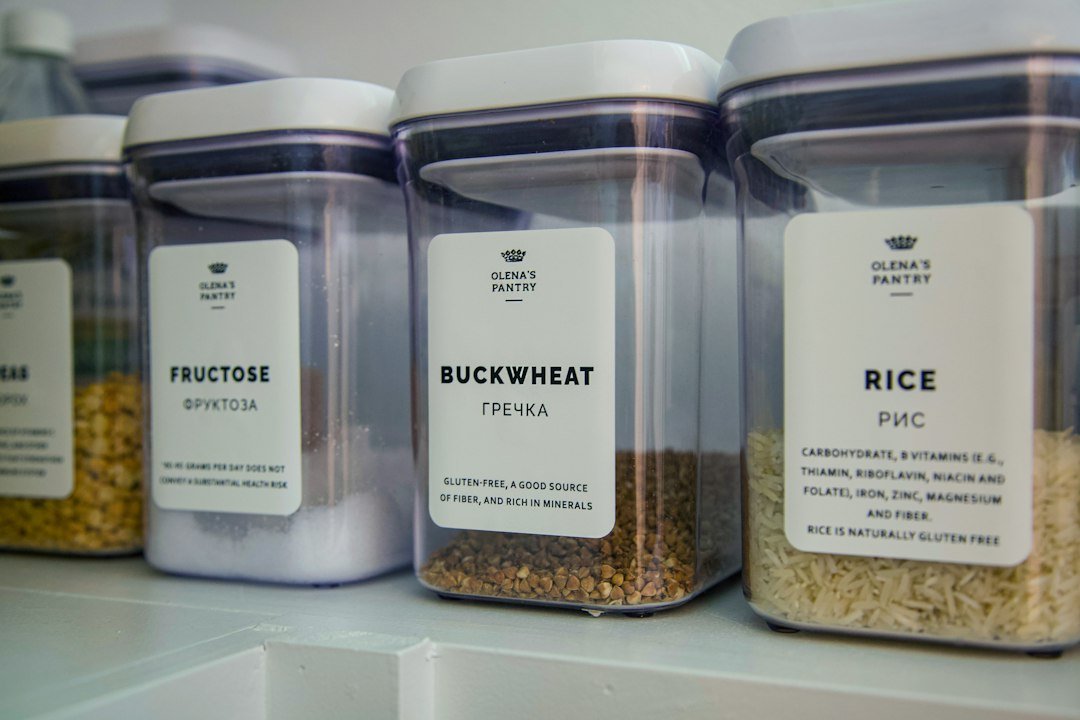
2. Rice
Choose the rice you actually enjoy eating. Brown rice offers a chewier whole-grain option, while white rice cooks faster and works well for curries, burrito bowls, stir-fries, and meal prep. You do not need three varieties at the beginning.
3. Pasta
Pasta is an excellent emergency dinner base because it is inexpensive, familiar, and easy to pair with beans, lentils, frozen vegetables, tomato sauce, pesto-style sauces, or nutritional yeast.
4. Red lentils
Red lentils cook quickly and break down into a soft texture, making them useful for soups, curries, pasta sauces, and thick stews. They are especially beginner-friendly because they do not need soaking.
5. Canned chickpeas
Chickpeas can become hummus, chickpea salad, curry, roasted snacks, grain bowls, soups, or quick wraps. Keep one or two cans around and rinse them before using if you want to reduce some of the sodium from the canning liquid.
6. Canned black beans or kidney beans
These are reliable for tacos, chili, rice bowls, soups, baked potatoes, and salads. Pick the bean that fits the meals you already like.
7. Canned tomatoes
Diced or crushed tomatoes are the backbone of quick chili, lentil bolognese, curry, soup, and shakshuka-style plant-based dishes. They are one of the highest-value pantry items because they help turn dry staples into a complete meal.
8. Peanut butter or another nut or seed butter
Use it on toast, in oatmeal, smoothies, sauces, dressings, noodles, or snacks. If peanuts are not suitable for your household, sunflower seed butter is a versatile alternative.
9. Soy sauce or tamari
A small amount adds salty, savory flavor to tofu, rice, noodles, stir-fries, marinades, and sauces. It is one of the easiest ways to make simple plant foods taste more complete.
10. Vinegar
Acidity is an underrated part of plant-based cooking. Apple cider, rice, red wine, or balsamic vinegar can brighten beans, sauces, grain bowls, roasted vegetables, and dressings. Start with one bottle rather than collecting several.
11. Olive oil or another everyday cooking oil
Keep one neutral or all-purpose oil for sautéing, roasting, and dressings. You can always add specialty oils later if a recipe truly needs them.
12. Nutritional yeast
Nutritional yeast is useful for savory, cheese-like flavor in pasta, popcorn, sauces, soups, and tofu scrambles. If you buy it for its vitamin content, check the label because fortified and unfortified nutritional yeast are not nutritionally identical.
13. Ground flaxseed or chia seeds
These seeds work in oatmeal, smoothies, baking, and simple egg-replacement mixtures. Store ground flaxseed in the refrigerator or freezer after opening to help maintain freshness.
14. A small core spice set
You do not need twenty spices. A practical starter set is garlic powder, smoked paprika, cumin, chili powder or flakes, cinnamon, and black pepper. Add curry powder or Italian seasoning if those match the food you cook most often.
15. Frozen vegetables
They may live in the freezer rather than the pantry, but they belong on this list because they make the rest of the pantry useful. Frozen broccoli, peas, corn, spinach, and mixed vegetables eliminate much of the chopping and spoilage that can make beginner meal planning frustrating.
A few pantry ingredients can also support more focused eating goals. Our plant-based protein guide without tofu helps you build complete meals from lentils, seeds, grains and other alternatives.
What meals can you make from these staples?
A useful pantry is measured by meals, not ingredients. With the list above plus a few fresh items, you can make:
- red lentil tomato pasta
- chickpea curry over rice
- black bean tacos or burrito bowls
- peanut noodles with frozen vegetables
- lentil soup with canned tomatoes
- oatmeal with peanut butter and chia
- chickpea salad sandwiches
- rice and bean bowls with a quick soy-vinegar dressing
If you cook for one, our plant-based grocery list for one person shows how to add fresh produce and realistic weekly quantities without overbuying.
What not to buy yet
Beginners often spend too much on ingredients that sound essential but only appear in one recipe. Unless you already know you like them, you can usually wait on specialty flours, several types of plant-based cheese, expensive superfood powders, multiple protein powders, niche sweeteners, and a large collection of sauces.
There is nothing wrong with those foods. They simply do not need to be your starting point. Build around foods that solve everyday meals first.
A simple pantry-building rule
When deciding whether an ingredient deserves permanent space, ask three questions:
- Can I use it in at least three meals I already like?
- Will I realistically use it before it goes stale?
- Does it make cooking easier, tastier, or more flexible?
If the answer is yes, it is probably a good staple. If not, buy it only when a specific recipe calls for it.
How to build the pantry without spending a lot at once
You do not need to buy all 15 items in one shopping trip. Start with one grain, two legumes, canned tomatoes, one nut or seed butter, one seasoning sauce, and frozen vegetables. Add the rest as you notice gaps.
That approach also makes it easier to learn what you actually eat. A pantry designed around your habits is more useful than one copied from a giant checklist.
Bottom line
The best plant-based pantry for a beginner is simple: versatile grains, legumes, tomato products, dependable flavor boosters, and freezer vegetables. Once those basics are in place, you can create dozens of meals without relying on specialty vegan products.
When you are ready to turn those ingredients into a weekly routine, use our plant-based meal prep for one person system to connect shopping, cooking, and leftovers.
One Comment
Comments are closed.