How to Steam Tempeh Without a Steamer Basket
You can steam tempeh without a dedicated steamer basket using a covered pot and a heat-safe insert—or gently simmer the tempeh if you cannot set up a safe steam rack. Both methods are often used before marinating or pan-searing, especially when a block has a stronger fermented taste. The important distinction is that this is usually a flavour and preparation technique; food-safety cooking instructions from the tempeh producer still take priority. Here is how to adapt your equipment without balancing unstable kitchen objects over boiling water.
Decide whether steaming is actually needed
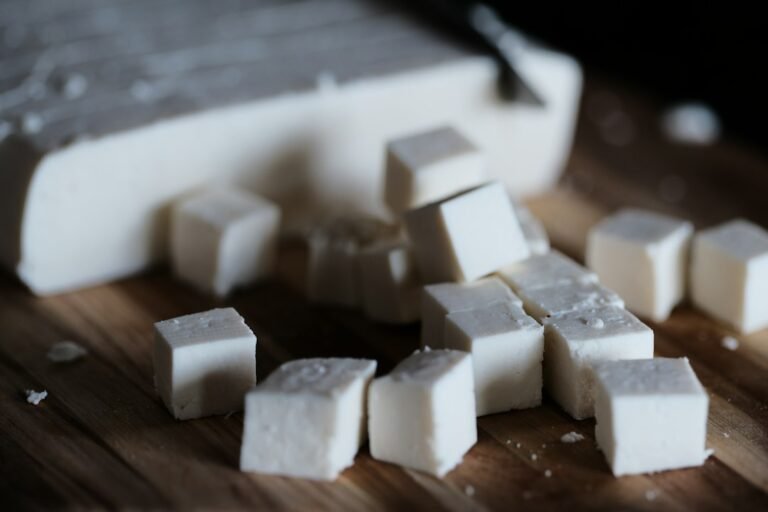
Tempeh is fermented food with a distinctive nutty, sometimes earthy taste. Some cooks steam it briefly before seasoning because they prefer the softened taste and texture. Other pasteurized products taste mild enough to cook directly. The need to heat a particular product, however, depends on whether it is ready-to-eat or requires cooking. Read its package first. Our tempeh cooking-safety guide explains the distinction between fresh, pasteurized and unpasteurized products. Never treat a quick steam as permission to eat a spoiled block.
Method one: use a heat-safe metal colander
Choose a pot wide enough for a metal colander to sit securely above the waterline without wobbling. Add a shallow layer of water, bring to a simmer and place sliced tempeh in the colander with space between pieces. Cover with a lid that can sit safely; avoid letting the water boil dry and keep hands clear of escaping steam. A colander made from plastic, painted metal or unknown materials may not be heat-safe; do not use it. Steam gently for roughly 8–12 minutes as a preparation step, or longer if the product’s cooking instructions require it.
Method two: a fitted sieve or heat-safe rack
A sturdy stainless-steel sieve may work if it rests securely at the top of the pot and does not touch the simmering water. Another option is a manufacturer’s heat-safe steaming rack placed on the pot floor above a modest amount of water. Use a lid designed to fit the setup. Do not stack plates, cans, glassware or loose utensils in unstable arrangements; falling into boiling water is a more immediate risk than a less-than-perfect steaming method. If you cannot keep the rack stable, skip the improvisation and use the simmering alternative instead.
Method three: gently simmer instead of steaming
Put tempeh slices into a shallow saucepan and add enough water or low-sodium vegetable broth to cover them. Bring to a gentle simmer rather than a rolling boil. After about 8–12 minutes as a preparation step, remove with a slotted spoon and let the excess moisture drain. This is technically simmering, not steaming, but it is often the simplest practical substitute. Some flavour and soluble components can move into the water, so the result may differ slightly. Always follow additional cooking instructions required by your product.
When to slice, and when to leave a block whole
Thin slices are easier to arrange, heat more evenly and season after steaming. Whole blocks need more time, especially if frozen or thick. Cutting first is usually best for a beginner because it makes both steaming and subsequent pan-searing more predictable. Handle hot slices with tongs and let water drip away before adding oil. Wet pieces placed into a very hot skillet can spatter. If you plan to crumble tempeh for tacos, steam or simmer larger pieces first, then cool enough to handle before breaking them apart.
Season it after the moisture has drained
Once the tempeh stops steaming heavily, toss it with a little oil, citrus juice, herbs or the flavouring sauce you intend to cook with. Steaming is not required to make every marinade work, but a less intensely flavoured surface may taste better to some people. For a soy-sauce-free idea, see four easy tempeh marinades without soy sauce. Pat pieces lightly dry before browning and add sweet sauces near the end of cooking to reduce burning.
What to do if the tempeh is still bitter
Bitterness varies with producer, fermentation and the way tempeh is cooked. Steaming can mellow the perception for some batches but is not a guaranteed chemical fix. A little acidity, salt and roasting can shift flavour balance; too much sweet glaze can mask the problem without creating a pleasant result. If a block has abnormal slime, a strongly offensive smell, or questionable storage, discard it rather than trying a second heat treatment. Food that is genuinely spoiled cannot reliably be made safe by steam.
Prepare ahead without losing the texture
You can steam the block shortly before dinner, chill it promptly and then brown it when needed, provided you follow proper storage practices. For better skillet results, dry the pieces before cooking and avoid overcrowding. If you want to make a cold lunch, cook as directed and cool promptly before refrigerating. Refrigerated cooked tempeh is not a shelf-stable food. For meal ideas, link to our beginner tempeh recipes, which include skillet and oven options.
Frequently asked questions
Can I use a microwave instead?
A microwave can heat tempeh, but it is not identical to steaming. Use a microwave-safe container and follow the producer’s required cooking directions.
Can I steam tempeh directly in water?
Once the tempeh contacts the liquid it is simmering, not steaming; this is a workable alternative if the goal is softening flavour.
Should I steam frozen tempeh?
Thaw safely according to packaging when possible. A thick frozen block may heat unevenly in a brief preparation steam.
Bottom line
A safe pot-and-colander arrangement or a gentle simmer lets you prepare tempeh without buying another gadget. Choose stable equipment, keep hot water under control and treat package cooking directions as non-negotiable.