How to Cook Frozen Tempeh Without Thawing
You can often cook tempeh from frozen, but the easiest method depends on whether it was frozen in thin slices, crumbles or one solid block. Small portions heat much more evenly than a thick frozen brick, and package instructions take precedence—especially for unpasteurized or cook-before-eating products. The best results usually come from gentle initial heating followed by browning, rather than trying to sear a hard frozen centre over high heat. This guide explains what to do and when refrigerating to thaw first is the smarter choice.
Read the package before choosing a method
Tempeh may be sold fresh, pasteurized, frozen or as part of a seasoned prepared product. Some products are labelled ready to eat while others require thorough cooking. If the manufacturer gives cooking-from-frozen instructions, use those. If the directions require thawing, follow them instead of improvising a shortcut. Never cook or eat a block that had already spoiled before freezing. Freezing slows microbial growth but does not reliably reverse spoilage, and it does not make an unsafe product safe. For the general distinction, visit our tempeh safety guide.
Why thin pieces are easiest from frozen
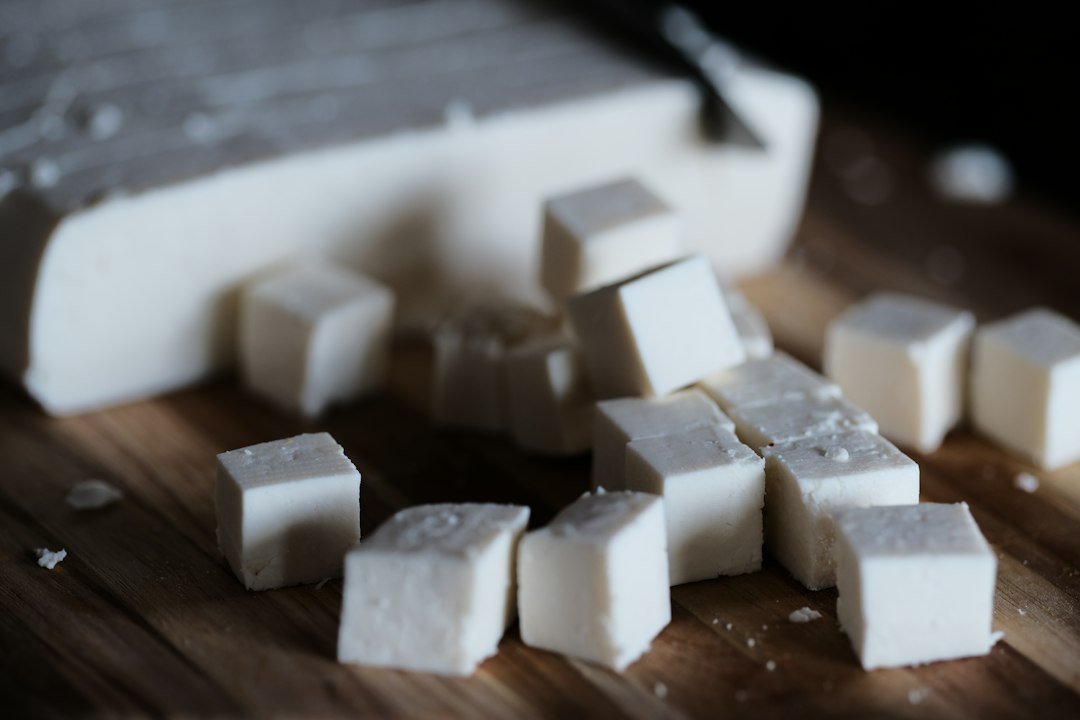
Thin tempeh strips or pre-cut cubes expose more surface area to heat. They can warm through before the exterior burns, and a sauce can coat them without leaving a cold core. Next time you freeze tempeh, consider cutting a fresh, safely handled block into portions, separating them with parchment and sealing them well. Label the freezing date so you can rotate the oldest packages first. For a block that is already frozen solid, avoid forcing a sharp knife through it: slippery, hard food is a cutting hazard. Soften or thaw safely before cutting.
Skillet method for frozen slices
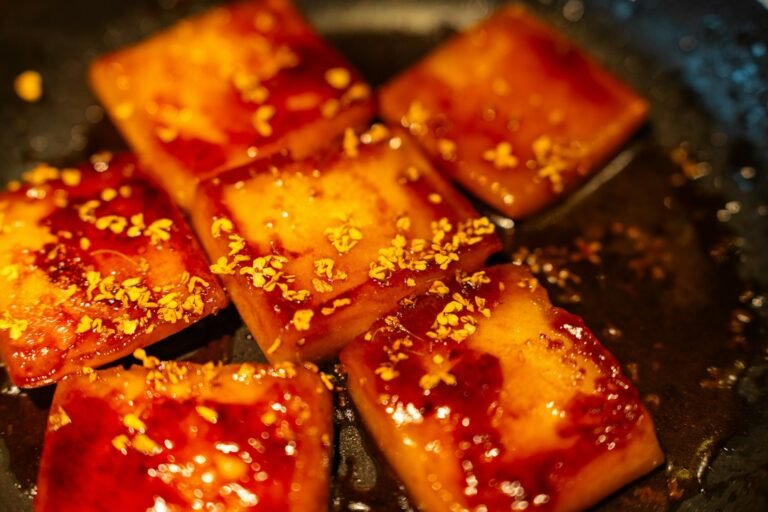
Place frozen thin pieces in a covered skillet with a small splash of water or low-sodium vegetable broth. Heat gently until the pieces soften and the middle is no longer frozen, monitoring the pan so it does not dry out. Remove the lid and let excess liquid evaporate; then add a little oil and brown both sides over medium heat. If the product requires cooking, continue according to its specified instructions rather than treating browning alone as proof of readiness. Add sweet glazes at the end so they do not scorch during the extended warming stage.
Oven method for cubes or slices
Arrange frozen cubes or thin strips in a single layer on a lined baking sheet, avoiding a crowded pile. Start at a moderate oven setting and turn pieces as they soften; when they are heated through, season and continue until the edges colour. Exact timing varies with cube size, oven and product, so avoid a universal number that might leave a thick piece inadequately heated. Follow the manufacturer’s food-safety instructions for the product. If using a sauce, brush it on later in cooking to prevent excessive darkening before the centre is warm.
What if you have a full frozen block?
A thick frozen block is awkward to cook evenly without thawing. Instead of burning the outside while the inside remains icy, choose a safe thawing method: place it in the refrigerator on a tray in a covered container, or use a sealed bag in cold water according to applicable food-safety guidance, changing the water regularly. If a label gives microwave-defrost instructions, continue cooking immediately afterward. Avoid leaving it on the counter all afternoon. Once pliable, cut into slices and use a reliable pan, steam or oven method.
Should you steam frozen tempeh first?
Gentle heating with steam or water can make frozen pieces easier to season and help them warm without fast surface browning. For small pieces, use a stable steamer or simmer shallowly before drying and browning. A brief preparation steam is not automatically sufficient cooking for every product, particularly a thick block. The no-steamer tempeh guide explains safe equipment choices and the difference between steaming and simmering. Do not rely on colour or a single elapsed minute count as a food-safety test.
Does freezing change taste or texture?
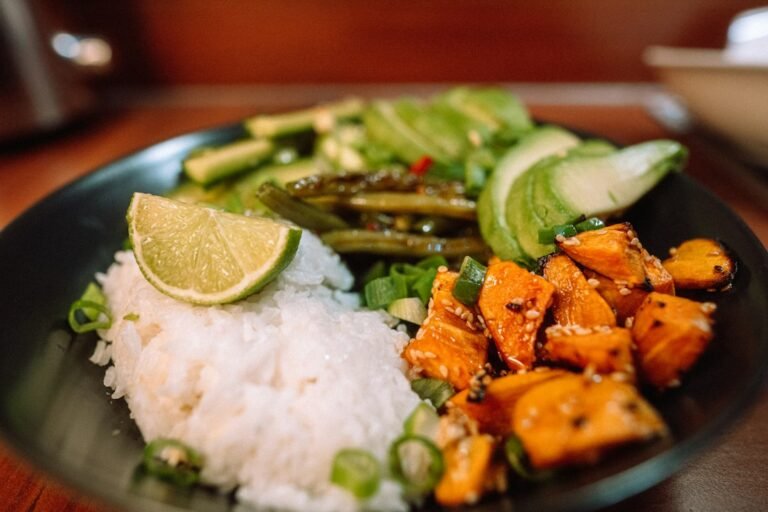
Freezing and thawing can change water distribution, potentially affecting firmness and how a marinade adheres. Depending on the product, tempeh may emerge drier, softer or more crumbly. You can compensate by adding a little sauce after it has warmed, using a moderate heat and handling pieces gently. A crisp oven-cooked cube and a moist sauced tempeh crumble may react differently. If the texture is not ideal for a sandwich, crumble the cooked tempeh into a grain bowl or taco filling instead of throwing it out unnecessarily.
Store cooked frozen tempeh safely
Once your tempeh is cooked, serve promptly or cool leftovers in shallow containers and refrigerate. Use an ordinary short cooked-leftover window rather than assuming the original freezing date grants an extra week after cooking. Avoid repeated cycles of thawing and warming the entire batch. If leftovers were left out too long, discard rather than refrigerating to reset the clock. See our beginner tempeh recipes for ideas that work with safely prepared pieces and sauces.
Frequently asked questions
Can I put a whole frozen tempeh block straight in a skillet?
It is not the best way to heat it evenly. Safe thawing or initial gentle heating makes portioning and thorough cooking easier.
Can I air-fry frozen tempeh?
Small separated pieces may work if the appliance and manufacturer instructions allow it, but a frozen solid block can cook unevenly.
Does frozen tempeh need to be cooked?
That depends on the finished product and its packaging, not on freezing. Follow required cooking directions.
Bottom line
The most reliable no-thaw approach uses small frozen portions, gentle heating first and browning second. For thick blocks or unclear package directions, thawing safely is the better choice.