How Long Does Cooked Tempeh Last in the Fridge?
Properly cooked tempeh can usually be kept in the refrigerator for about three to four days when cooled promptly and stored cold. That is a practical cooked-leftovers window, not permission to keep food that has been left warm, smells spoiled or was cooked from an already questionable package. The manufacturer’s directions and safe refrigerator temperature still matter.
The practical answer: three to four days
Food producers commonly recommend around three to four days for cooked tempeh leftovers. Use an airtight container, refrigerate promptly and write the cooking date on the lid. A recipe with other perishable ingredients may have its own storage limits. If you are unsure how long something has been out, do not take a chance just because the food still smells pleasant.
Cool it without leaving it on the counter
Do not leave a big warm pile of food sitting out for hours. Divide it into shallow portions, refrigerate promptly and keep the refrigerator at an appropriately cold setting. For a large batch, separate the sauce and grains so everything cools efficiently and reheats more evenly. Put away what you will not eat rather than leaving the container open during serving.
Can you eat cooked tempeh cold?
Some fully cooked tempeh can be enjoyed cold in a properly packed lunch, provided it was cooked and stored safely and its package instructions allow it. This is not the same as eating an unpasteurized fresh block raw. Keep cold lunches chilled in an insulated bag with a cold pack until eating. Our tempeh safety guide explains the difference.
Best ways to reheat
Warm thin slices in a skillet with a spoonful of water or sauce to prevent dryness. For oven reheating, spread pieces in a shallow dish and cover lightly so heat can circulate. Reheat leftovers thoroughly, following food-safety guidance rather than relying on colour alone. Avoid repeatedly cycling the same batch between warm and cold.
Can you freeze the leftovers?
Yes, cooked tempeh can be frozen after prompt cooling. Portion it for one meal, label the container and thaw in the refrigerator. Texture may become firmer or drier when reheated, particularly if the tempeh was already crisp. Freezing preserves cooked leftovers longer, but it does not reverse unsafe storage before freezing.
A two-lunch prep example
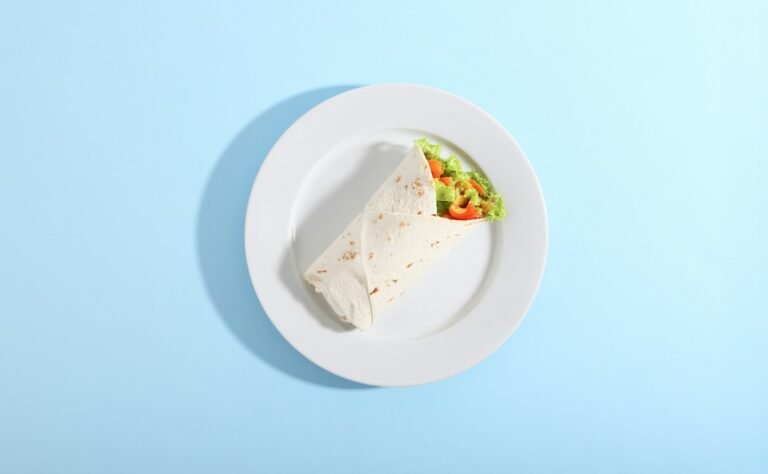
Cook and cool a block of tempeh, then divide it between two lidded containers. Keep any grain, vegetables and dressing cold. For one lunch, combine with chilled rice and edamame; for another, tuck the tempeh into a wrap just before eating. If packing a school or work meal, use a cooler or cold pack rather than leaving it on a desk all morning.
Quick questions
How long can cooked tempeh sit out? Follow standard perishable-food guidance; don’t use long room-temperature holding as a storage method. Can I tell by smell whether it is safe? No. Do the same limits apply to homemade fermented tempeh? Handle it according to producer or reliable food-safety directions, especially if it is unpasteurized.
A day-by-day cooked-tempeh example
Imagine cooking a skillet of tempeh on Monday evening. Serve one portion immediately, then transfer remaining pieces into shallow, covered containers and refrigerate promptly. Tuesday’s lunch can use a chilled portion with vegetables and grains; Wednesday’s can use another portion in a wrap. By Thursday or Friday, you are approaching the usual three-to-four-day cooked-leftover window, so evaluate the exact time of preparation and storage conditions rather than stretching it casually. If you know you will not eat a portion soon, freezing it promptly after cooking is the more practical choice. The clock begins when the food is prepared—not when you first remember to look at it.
If you are unsure whether the original tempeh block was fresh, read what dark spots on tempeh can mean and why a strong ammonia odour is a warning. These explain decisions to make before cooking; refrigeration cannot make spoiled food safe again.
Why the other lunch ingredients also matter
Cooked tempeh is often served with rice, noodles, cooked vegetables, leafy greens or dressing. A meal’s storage safety depends on all its components, not only the tempeh. Cooked rice, for example, needs timely cooling and careful storage; a salad with a creamy dressing should remain cold, and a packed lunch without refrigeration needs an effective insulated bag and cold pack. Keep wet dressings in a separate small container if they make sandwiches soggy. Do not use a food’s appearance as proof that all of its ingredients were held at safe temperatures.
How to pack a tempeh lunch safely
If you’re assembling a lunch the night before, cool cooked ingredients before combining them in the container and place the finished meal promptly in the refrigerator. In the morning, transfer it to an insulated bag with cold packs or refrigerate it at work or school. Keep the container closed until eating and discard perishable food that has spent too long at unsafe temperatures. If you’re unable to keep food cold, choose shelf-stable items designed to be stored that way instead of assuming cooked tempeh can safely remain on a desk for the entire day. Our vegan meal prep without reheating guide has more cold-lunch ideas.
Quality versus safety after freezing
Freezing can extend how long properly handled cooked tempeh remains usable, but it may change the texture. A crisp glazed tempeh piece can soften after thawing, while a saucy crumble may reheat more successfully because it retains moisture. Freeze in small meal-size portions with minimal excess air, label the cooking and freezing dates, then thaw in the refrigerator or by another food-safe method. When reheating, stir or turn the pieces so the centre warms thoroughly. Do not repeatedly thaw, reheat and chill the same container merely to sample a few bites. If you did not cool it safely before freezing, freezing later does not erase that risk.