Plant-Based School Lunch Ideas That Don’t Need Reheating
School lunches are harder when there is no microwave, limited time to eat, and a lunchbox that may sit for hours before noon. The best plant-based school lunches are not complicated recipes—they are familiar foods that hold up well cold, are easy to pack, and include enough substance to make lunch feel like a meal.
This guide focuses on plant-based school lunch ideas that do not need reheating. It also includes nut-free options and practical food-safety tips, because many schools restrict common allergens and most perishable lunches still need to stay cold.
A simple plant-based lunchbox formula
Instead of searching for a new recipe every morning, build lunch from four parts:
- A filling main: wrap, sandwich, pasta salad, grain bowl, pita, or hearty dip.
- A plant-based protein: chickpeas, hummus, tofu, edamame, beans, lentils, soy yogurt, or a school-approved nut/seed butter.
- Fruit or vegetables: choose produce your child actually eats.
- A simple extra: crackers, popcorn, muffin, oat bites, pretzels, or another familiar snack.
This structure is more flexible than a rigid meal plan and makes it easy to use leftovers and whatever is already in the refrigerator.
12 plant-based school lunch ideas with no reheating
1. Hummus and veggie wrap
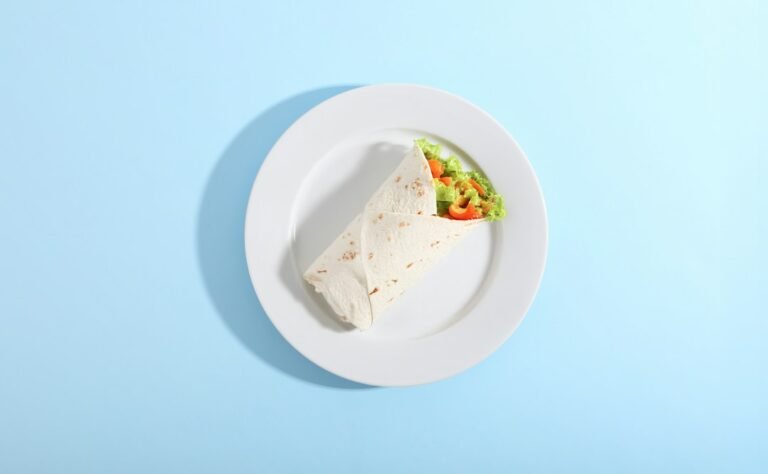
Spread hummus over a whole-grain tortilla and add shredded carrot, cucumber, spinach, and bell pepper. Roll tightly and cut into halves or pinwheels.
For a less soggy wrap, pat watery vegetables dry and avoid overfilling it.
2. Chickpea salad sandwich
Mash chickpeas with a little plant-based mayo or hummus, mustard, diced celery, and seasoning. Use lettuce between the filling and bread to help protect the bread from moisture.
3. Cold lentil pasta salad
Toss cooked lentil or chickpea pasta with chopped vegetables and a simple vinaigrette. This works especially well for students who do not enjoy sandwiches.
4. Tofu snack box
Pack chilled baked tofu cubes with crackers, cucumber, carrots, fruit, and a small dip. If tofu is still unfamiliar at home, our guide to making tofu taste good can help you find a texture and seasoning that works.
5. Bean and corn tortilla roll-ups
Mash black beans with a little salsa, spread onto a tortilla, add corn and lettuce, then roll and slice. Choose a mild salsa if strong flavours are a barrier.
6. Cold sesame-style noodle box
Toss chilled noodles with a seed-based sauce, shredded vegetables, and edamame. If sesame is restricted at school, use a permitted alternative and follow the school’s allergy policy closely.
7. Pita and hummus bento
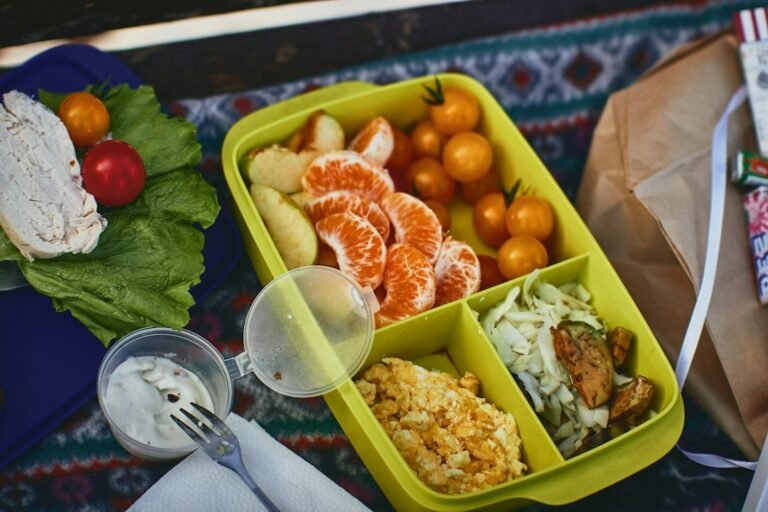
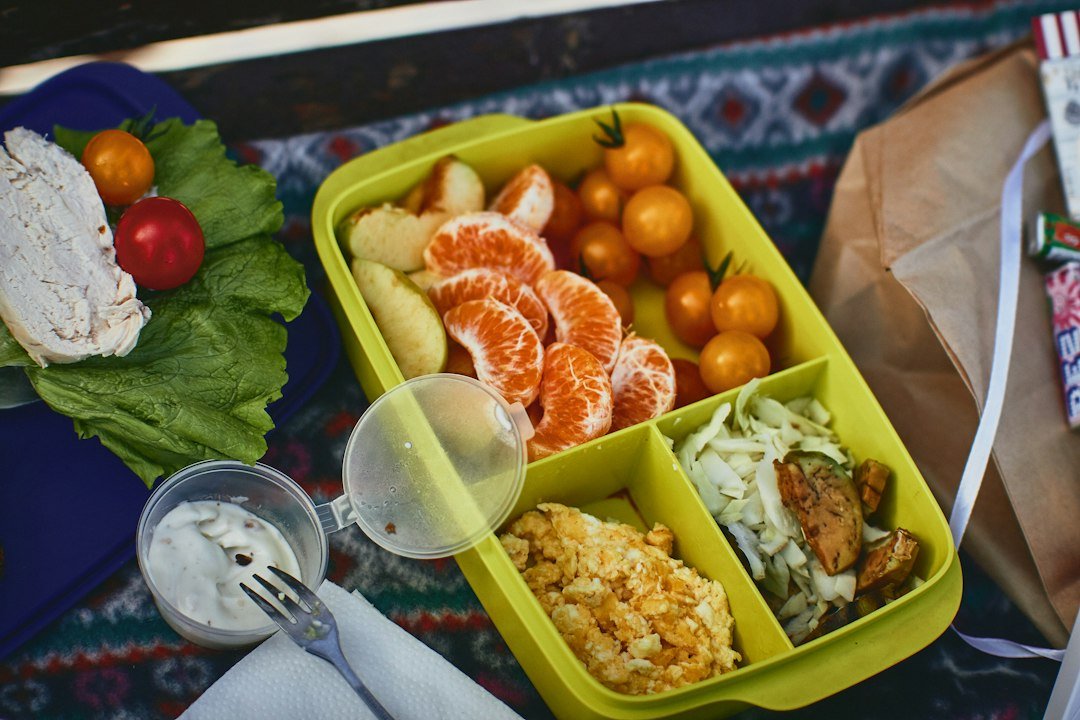
Pack pita wedges, hummus, cucumber, cherry tomatoes or another age-appropriate vegetable, fruit, and a crunchy snack. Keeping components separate can make lunch more appealing to picky eaters.
8. Sunflower-seed butter and banana sandwich
For schools that restrict peanuts and tree nuts, sunflower-seed butter can be an option if permitted by the school. Banana adds sweetness without needing jam.
9. Edamame rice salad
Combine chilled rice, shelled edamame, cucumber, shredded carrot, and a light dressing. Cool cooked rice promptly and keep the packed lunch cold.
10. Mini bagel with plant-based spread
Use hummus, mashed avocado with lemon, or another preferred spread. Add vegetables separately so the bagel does not become soggy.
11. Overnight oats lunchbox
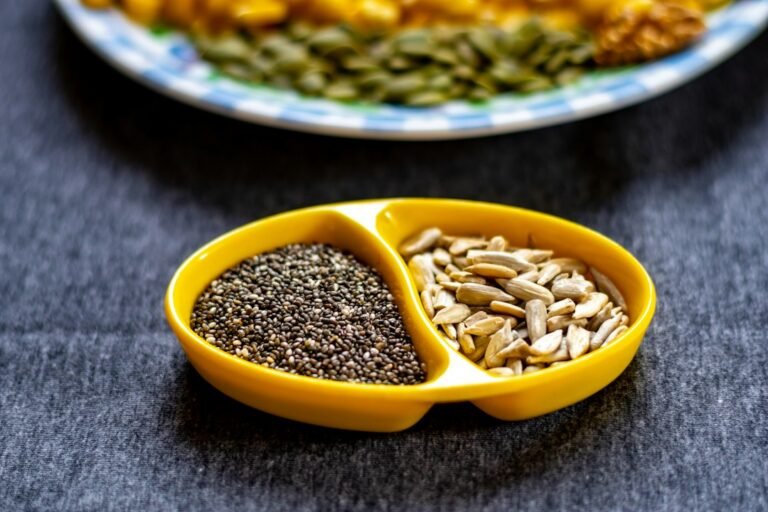
Breakfast foods can work at lunch. Oats made with a fortified plant beverage, chia seeds, fruit, and seed butter can be packed in a cold container. Our high-protein vegan oatmeal offers more ideas for building oats without protein powder.
12. Leftover grain bowl served cold
A simple mix of quinoa or rice, chickpeas, roasted vegetables, greens, and dressing can be eaten cold. Keep the dressing in a separate small container if texture matters.
Nut-free plant-based school lunch ideas
Many schools restrict peanuts or tree nuts, but policies differ. Always follow the specific school’s rules rather than assuming “nut-free” means the same thing everywhere.
Useful protein options that may work in nut-restricted settings include:
- hummus and chickpeas
- beans and lentils
- tofu
- edamame or other soy foods, if soy is permitted
- sunflower-seed butter, if seeds are permitted
- plant-based yogurt with suitable fortification
Health Canada advises families to read labels carefully and follow school allergen policies, including “may contain” warnings where relevant.
How to keep cold lunches safe
“No reheating” does not mean “no temperature control.” Perishable foods still need to stay cold.
Health Canada recommends using an insulated lunch bag or box and an ice pack to keep cold foods out of the temperature danger zone. A frozen water bottle can also help keep lunch cold as it thaws.
Wash lunch containers regularly, clean produce before packing it, and do not rely on smell to decide whether a perishable food is safe. If the school has refrigeration available, use it.
How to stop sandwiches and wraps from getting soggy
- Pat cucumber and tomato dry before packing.
- Put lettuce or spinach between wet fillings and bread.
- Pack dips separately when possible.
- Let cooked ingredients cool before assembling the lunch.
- Choose thicker spreads rather than watery sauces.
- Toast bread lightly if your child likes the texture.
The best lunch is the one that still looks and tastes appealing several hours after it was packed.
For more lunchbox combinations, try our 12 vegan lunches without a microwave. To prioritize protein or prepare several chilled lunches together, see high-protein no-reheat lunches and the five-day no-reheat meal-prep system. Keep perishable foods cold regardless of which recipe you choose.
How to prep school lunches faster
Use the same strategy that works for adult meal prep: prepare components rather than five identical lunches. On the weekend or evening before school, wash fruit, chop sturdy vegetables, cook a grain, rinse chickpeas, and prepare one filling or dip.
Our plant-based meal prep guide is written for one adult, but the component-prep method works just as well for family lunchboxes.
You can also make a short list of five accepted mains and rotate them. Predictability reduces morning decision fatigue while still allowing fruit, vegetables, and snacks to change.
What about fortified plant milk?
If the school allows a chilled beverage and your child enjoys plant milk, choose the product based on the nutrition label rather than the plant source alone. Protein, calcium, vitamin D, and B12 can vary widely.
See our fortified plant milk label guide for a simple comparison checklist.
Plant-based school lunch FAQ
What can I pack instead of a sandwich?
Cold pasta salad, grain bowls, pita-and-hummus boxes, tofu snack boxes, overnight oats, rice salads, and tortilla roll-ups all work without reheating.
How do I add protein to a plant-based lunch?
Use chickpeas, hummus, beans, lentils, tofu, edamame, fortified soy foods, or permitted nut and seed butters. You do not need every lunch to revolve around a meat substitute.
Can plant-based lunches sit at room temperature until lunch?
Some shelf-stable foods can, but many lunchbox foods are perishable. Use an insulated bag and ice pack for foods that need to stay cold and follow current food-safety guidance.
What if my child is a picky eater?
Keep at least two or three familiar foods in the box and change one element at a time. Deconstructed lunches can also help because the child can choose how to combine the components.