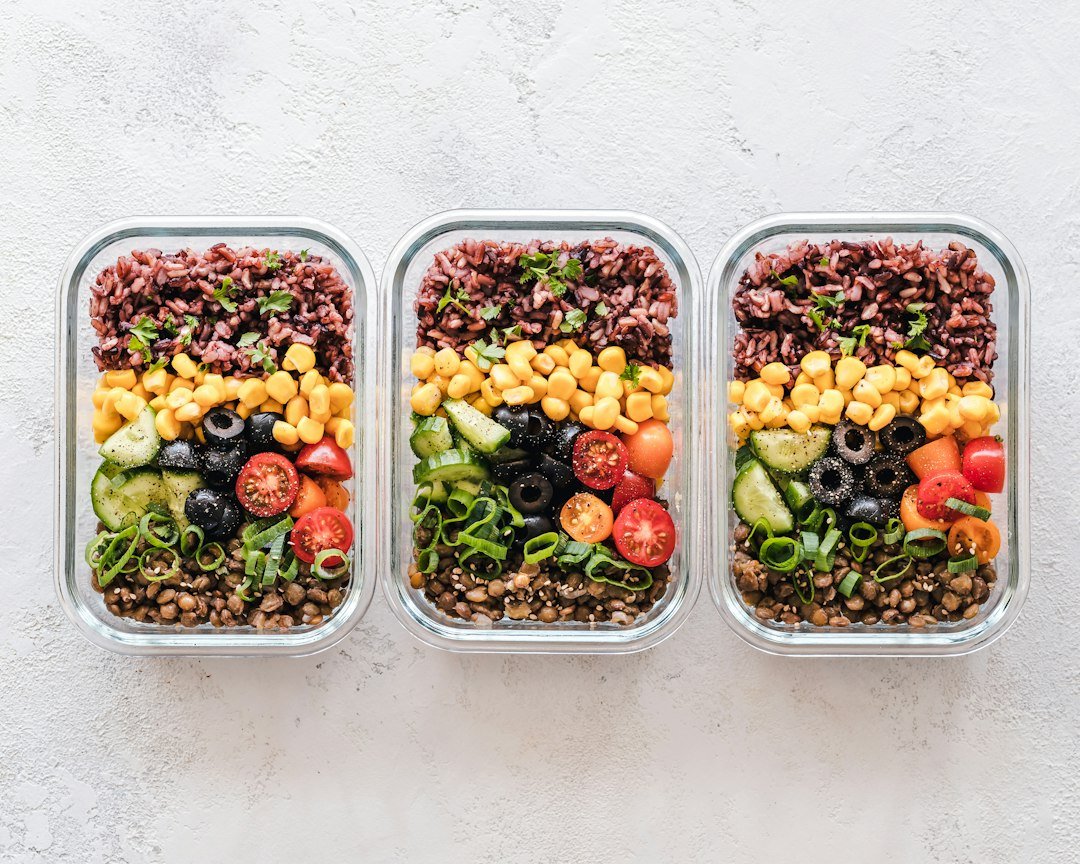
Plant-Based Meal Prep for One Person: A Simple Weekly System
Meal prep for one person should make your week easier, not fill the refrigerator with five identical containers you are tired of by Wednesday. The best plant-based meal-prep system for one person is to prepare a few flexible components—one grain, one or two proteins, vegetables, and a sauce—then combine them differently throughout the week.
This guide gives you a practical weekly system that reduces food waste and still leaves room for spontaneous meals, leftovers, and changing appetites.
The easiest meal-prep formula for one person
Instead of cooking seven complete meals, prep these five building blocks:
- One grain: rice, quinoa, barley, couscous, or another favorite.
- One main protein: tofu, tempeh, beans, chickpeas, or lentils.
- One second protein or legume: something different enough to prevent repetition.
- Two or three vegetables: a mix of fresh and frozen works well.
- One versatile sauce: peanut-lime, tahini-lemon, salsa, pesto-style herb sauce, or a simple vinaigrette.
Those components can become bowls, wraps, salads, stir-fries, soups, or quick skillet meals.
Cooking for a different household size or kitchen setup? See our five-day meal prep for two for a low-waste variation, or vegan meal prep without reheating if your lunches must be eaten cold.
A sample weekly plant-based meal prep
Prep these components
- 3 to 4 cups cooked brown rice
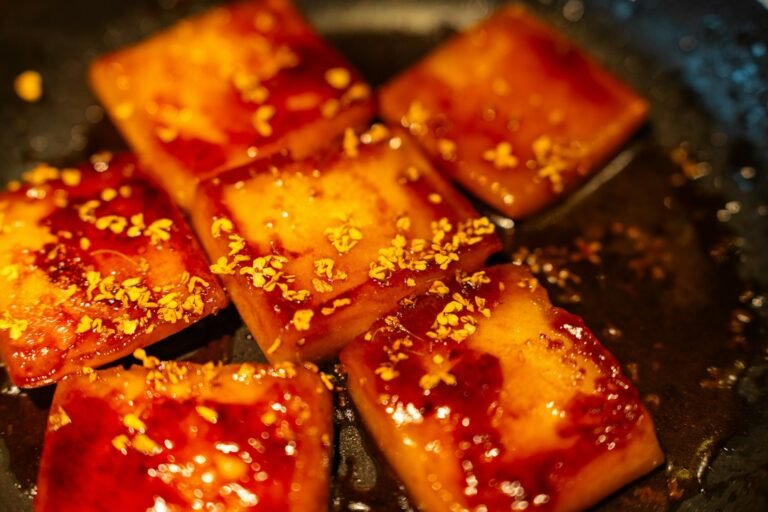
- 1 block crispy tofu
- 2 to 3 cups cooked lentils or chickpeas
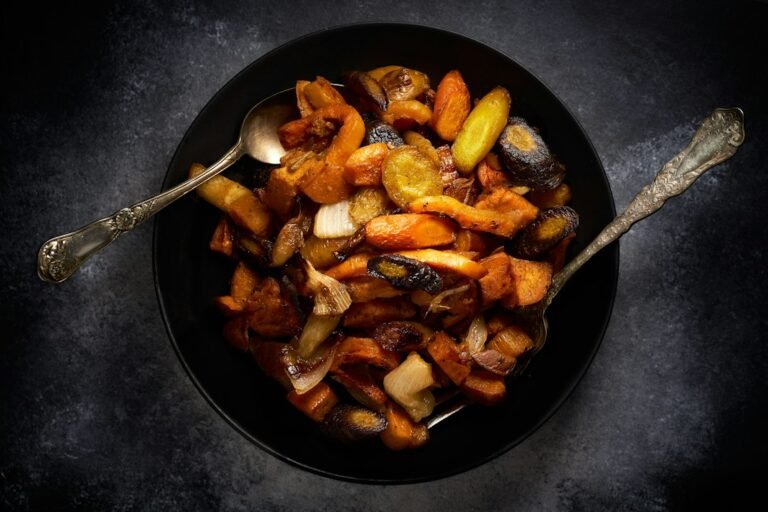
- 1 tray roasted broccoli, carrots, and peppers
- 1 container chopped raw vegetables
- 1 jar peanut-lime or lemon-tahini sauce
If you need the groceries first, use our 7-day plant-based grocery list for one person. The quantities are designed to overlap with this system.
What to eat during the week
Meal 1: Crispy tofu rice bowl
Rice + tofu + roasted broccoli + sauce. Add fresh greens or cucumber for contrast.
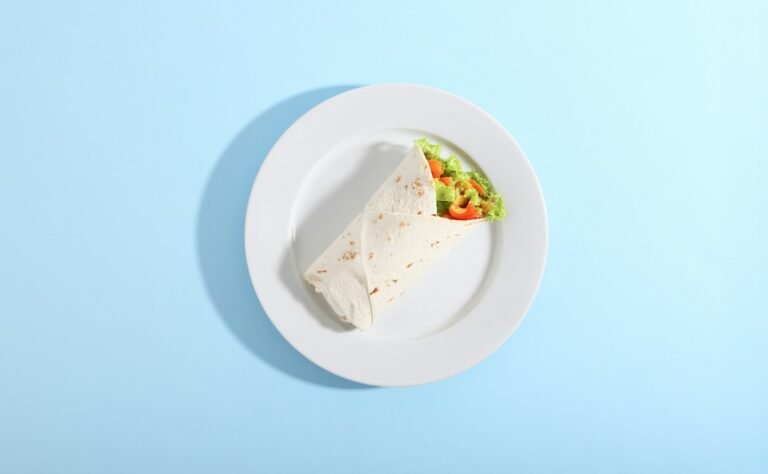
Meal 2: Chickpea wrap
Mash chickpeas with hummus or mustard, add chopped vegetables and greens, and roll everything into a wrap.
Meal 3: Lentil vegetable skillet
Warm lentils with canned tomatoes, roasted vegetables, garlic, and your favorite spices. Serve over rice or with toast.
Meal 4: Tofu stir-fry
Use leftover rice, tofu, and frozen vegetables. Add soy sauce, garlic, ginger, or chili sauce. This turns yesterday’s components into something that feels different.
Meal 5: Loaded grain salad
Combine cold rice or another grain with chickpeas, fresh vegetables, greens, lemon juice, herbs, and a spoonful of sauce.
A 90-minute meal-prep schedule
Minutes 0 to 10: Start the grain and oven
Get the rice cooking and preheat the oven. Wash and chop the vegetables while the grain cooks.
Minutes 10 to 25: Prepare the tofu
Pat firm tofu dry, cube or tear it, and season it. If tofu is new to you, see How to Make Tofu Taste Good for beginner-friendly cooking methods.
Minutes 25 to 50: Roast and cook
Roast the tofu and vegetables on separate areas of a sheet pan if their cooking times are similar, or use two pans. While they cook, rinse canned chickpeas or portion cooked lentils.
Minutes 50 to 70: Make the sauce
Whisk together a simple sauce. For a peanut-lime version, combine peanut butter, soy sauce, lime juice, a little maple syrup, and enough warm water to thin it.
Minutes 70 to 90: Cool and portion
Let hot foods cool before covering and refrigerating. You can portion two meals completely and store the rest as separate components. Keeping some ingredients separate makes the week feel less repetitive.
How many meals should one person prep?
For most people, prepping every meal is unnecessary. A useful target is three to five lunches or dinners plus one easy breakfast option. That gives you structure without locking you into a schedule.
If you regularly eat out, have family meals, or take leftovers from dinner for lunch, prep less. If you have a very busy week, prep more. The system should reflect your actual routine.
How to keep plant-based meal prep from getting boring
Change the format
The same tofu, rice, and vegetables can become a bowl one day and a wrap the next.
Use two sauces
If your budget allows, a second sauce makes the biggest difference with the least extra work. Peanut sauce and salsa, for example, create very different meals.
Keep one ingredient unprepped
Save one quick-cooking item for later in the week. A fresh stir-fry, pasta meal, or soup gives you a break from reheated food.
Freeze one or two portions
Freezing part of a soup, curry, or cooked lentil dish prevents the “I have to eat this now” feeling. Label the container with the date.
Food-safety basics
Refrigerate cooked foods promptly, keep your refrigerator cold, and reheat leftovers thoroughly. Cooked rice deserves particular attention because it should be cooled and refrigerated promptly rather than sitting at room temperature for long periods. When in doubt about how long a food has been stored, use current food-safety guidance rather than relying only on smell or appearance.
Meal prep for one FAQ
What are the best plant-based proteins for meal prep?
Firm tofu, tempeh, lentils, chickpeas, black beans, edamame, and bean-based dishes all work well. Choose two with different textures so the week feels more varied.
Can I meal prep without eating the same thing every day?
Yes. Prep components rather than five identical meals. A grain, a protein, vegetables, and two sauces can create several combinations.
How do I avoid food waste when meal prepping for one?
Use frozen vegetables, buy produce with multiple uses, freeze extra portions, and choose recipes that share ingredients. Most food waste comes from buying ingredients for one recipe that never get used again.


One Comment
Comments are closed.