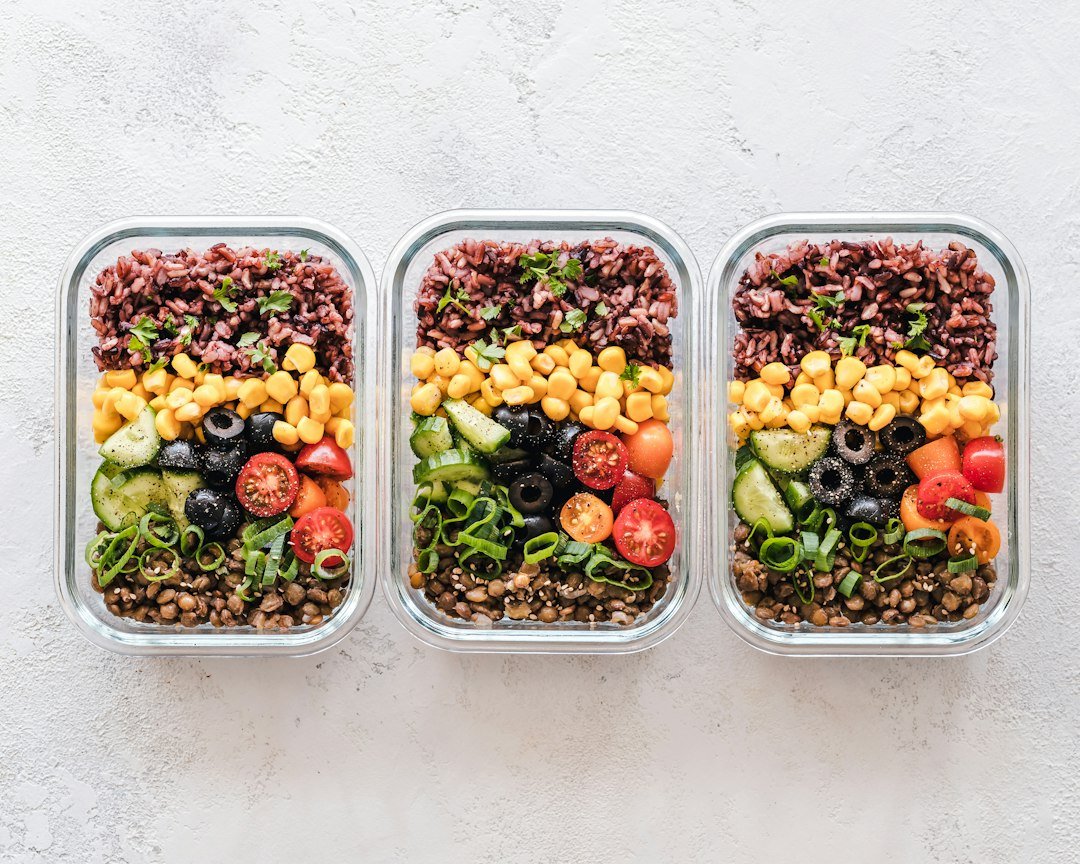
5 Plant-Based Sauces for Grain Bowls You Can Make in 10 Minutes
A good grain bowl can be built from very ordinary ingredients: cooked rice or quinoa, beans or tofu, a vegetable, and something crunchy. The part that makes the bowl feel finished is usually the sauce.
These plant-based sauces for grain bowls are designed for weeknights. Each one uses common ingredients, takes about 10 minutes or less, and can be thinned or thickened depending on whether you want a drizzle, dip, or dressing.
If you already use our plant-based meal-prep system for one person, these sauces are an easy way to make the same cooked grains and vegetables taste different across several meals.
1. Lemon tahini sauce
This is the all-purpose option: creamy, bright, slightly bitter from sesame, and easy to pair with roasted vegetables or chickpeas.
Ingredients
- 3 tablespoons tahini
- 2 tablespoons lemon juice
- 1 small grated garlic clove
- 2 to 5 tablespoons water
- Pinch of salt
Whisk the tahini, lemon, garlic, and salt. It may seize and look thick at first. Add water one tablespoon at a time until it becomes smooth and pourable.
Best with: quinoa, chickpeas, roasted cauliflower, cucumber, tomatoes, parsley, or crispy tofu.
2. Peanut lime sauce
Peanut sauce works especially well when a bowl includes rice, tofu, edamame, cabbage, carrots, or cucumber.
Ingredients
- 2 tablespoons peanut butter
- 1 tablespoon lime juice
- 1 tablespoon soy sauce or tamari
- 1 teaspoon maple syrup
- Warm water as needed
- Optional: ginger, garlic, or chili flakes
Stir everything except the water until combined, then loosen with warm water. For a nut-free version, sunflower-seed butter can work, although the flavor changes.
If tofu is going into the bowl, our tofu beginner guide explains how to get better browning before you add the sauce.
3. Smoky roasted red pepper sauce
This sauce tastes more complicated than it is. Jarred roasted peppers do most of the work, while almonds or sunflower seeds add body.
Ingredients
- 1 cup drained roasted red peppers
- 1/4 cup almonds or sunflower seeds
- 1 tablespoon lemon juice or red-wine vinegar
- 1 small garlic clove
- 1/2 teaspoon smoked paprika
- 2 tablespoons water, plus more as needed
- Pinch of salt
Blend until mostly smooth. Add water for a thinner dressing or keep it thick for a spoonable sauce.
Best with: brown rice, lentils, roasted zucchini, broccoli, white beans, and tempeh.
4. Herby white-bean sauce
White beans create a creamy sauce without nuts. This is useful when you want a sauce that also adds some substance to a lighter bowl.
Ingredients
- 3/4 cup rinsed white beans
- 1 tablespoon lemon juice
- 1 tablespoon olive oil, optional
- Small handful of parsley, basil, dill, or cilantro
- 1 small garlic clove
- 1/3 cup water, plus more as needed
- Salt and black pepper to taste
Blend until creamy. The herbs can be changed based on the bowl: dill works with cucumber and potatoes; cilantro works with corn and black beans; basil works with tomatoes.
5. Maple Dijon vinaigrette
Not every bowl needs a creamy sauce. A sharp vinaigrette is often better when the other ingredients are rich or roasted.
Ingredients
- 1 tablespoon Dijon mustard
- 1 tablespoon maple syrup
- 2 tablespoons apple-cider vinegar
- 2 tablespoons olive oil or water, depending on your preference
- Black pepper
Whisk in a jar or shake with the lid closed. Taste before adding extra sweetness or acidity.
Best with: farro, lentils, roasted squash, Brussels sprouts, apples, walnuts, and greens.
How to match a sauce to a grain bowl
Think about contrast. If your bowl is dry and earthy, use something creamy and bright. If the bowl already contains avocado or a rich nut topping, a vinaigrette can keep it from feeling heavy.
- Rice + tofu: peanut lime
- Quinoa + chickpeas: lemon tahini
- Brown rice + lentils: smoky red pepper
- Farro + roasted vegetables: maple Dijon
- Barley + white beans: herby white-bean sauce
Sauces are especially useful for meal prep for two, because one grain-and-vegetable base can become several different lunches. The high-protein cold-lunch guide also includes sauce and dressing ideas you can pack separately.
How to make bowls easier during the week
Cook one grain, one protein, and one tray of vegetables, then make two sauces. That gives you several combinations without cooking a completely different recipe every night.
Our plant-based pantry staples guide has the grains, beans, condiments, and seasonings that make this kind of flexible cooking much easier.
Storage tips
Most of these sauces keep well in a covered container in the refrigerator for several days, but freshness varies by ingredients. Stir before serving because separation is normal. Sauces containing fresh herbs are usually best earlier; tahini and peanut sauces may thicken in the fridge and can be loosened with water.
Use clean utensils each time you serve sauce, and discard anything that smells or looks spoiled.
Make the formula your own
You do not need five separate recipes memorized. A useful sauce formula is: creamy or oily base + acid + savory seasoning + optional sweetness + water. Tahini, nut butter, beans, roasted peppers, or mustard can be the base. Lemon, lime, or vinegar brings acidity. Garlic, herbs, miso, spices, or soy sauce provide depth.
Once you understand that formula, grain bowls stop being a fixed recipe and become a practical way to use what you already have.


2 Comments
Comments are closed.