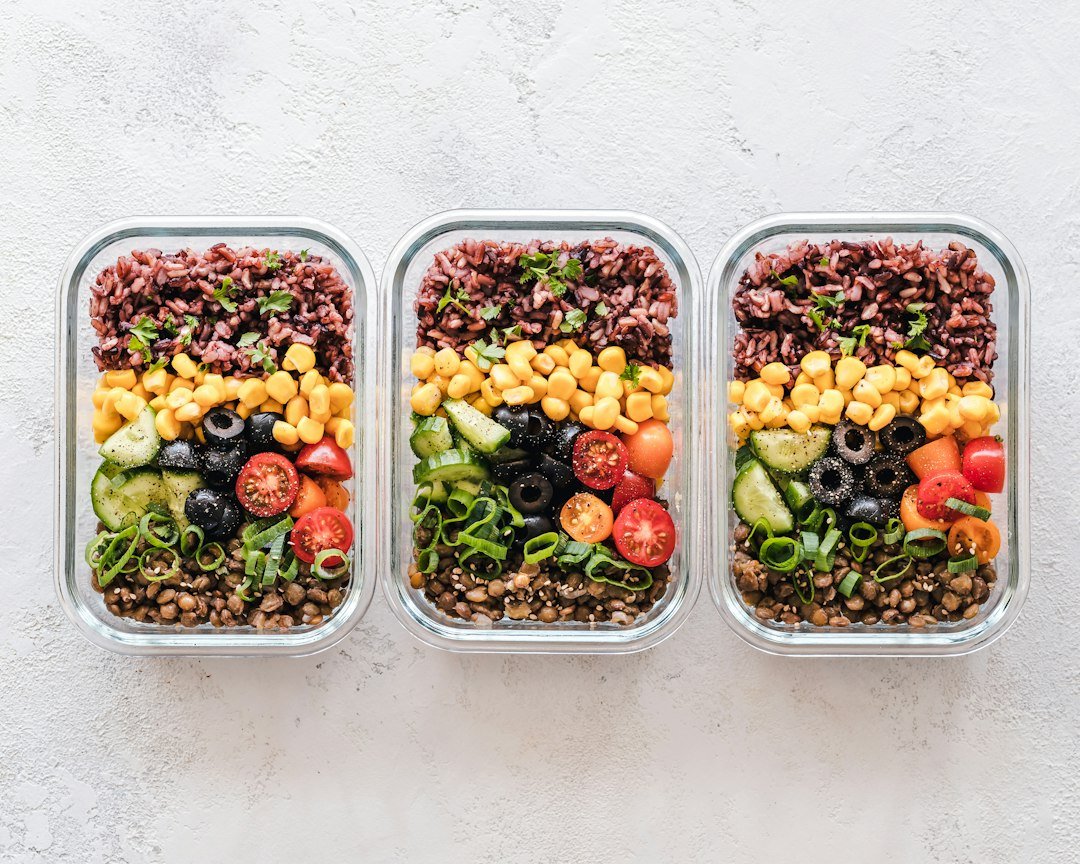
Plant-Based Meal Prep for Two: A 5-Day System Without Excess Leftovers
Meal prep for two people has a different problem from meal prep for a family: recipes written for four or six can create an endless refrigerator of leftovers, while cooking every meal from scratch defeats the purpose of prepping ahead.
This plant-based meal prep for two uses flexible components instead of five identical containers. The goal is to prepare enough food for several lunches and dinners while leaving room for fresh meals, eating out, schedule changes, and different appetites.
If you are cooking just for yourself instead, use the one-person meal-prep plan. For a flexible pantry-first foundation before choosing meals, see our plant-based pantry staples.
The basic system
Prep one grain, two protein foods, two cooked vegetables, one raw vegetable, and two sauces. Those components can become bowls, wraps, salads, skillets, and quick dinners.
A useful starting point for two people is:
- about 4 to 6 cooked servings of grain
- about 4 to 6 combined servings of protein foods
- two sheet pans or a moderate batch of vegetables
- one container of washed raw vegetables
- two small sauces or dressings
Adjust quantities based on appetite, how many meals you actually need, and whether breakfast is included.
Step 1: choose one grain
Rice, quinoa, barley, farro, or another grain can anchor several meals. Cook enough for two or three shared meals rather than an entire week of grain bowls.
If one person prefers a different grain, use a quick-cooking alternative later in the week instead of doubling the prep workload on Sunday.
Step 2: choose two protein foods
For example:
- one block of tofu
- one or two cans of chickpeas
Other combinations include tempeh + lentils, black beans + tofu, or white beans + edamame. Having two options prevents every meal from feeling identical.
For more variety, see our plant-based protein sources without tofu.
Step 3: cook vegetables that reheat well
Roast vegetables such as broccoli, carrots, cauliflower, peppers, sweet potatoes, or squash. Choose two or three based on what you will actually use.
Avoid prepping huge quantities of delicate vegetables that become unpleasant after several days. You can add fresh spinach, lettuce, cucumber, or tomatoes later.
Step 4: prepare one raw component
Wash and chop something crisp such as cabbage, cucumber, carrots, or bell pepper. A raw component makes reheated meals feel fresher and can turn cooked ingredients into wraps or salads.
Step 5: make two sauces
Choose contrasting flavors. A lemon-tahini sauce and peanut-lime sauce, for example, can make the same rice and tofu taste completely different.
Our five quick plant-based sauces work well for this system.
Five-day meal map
Day 1: fresh grain bowls
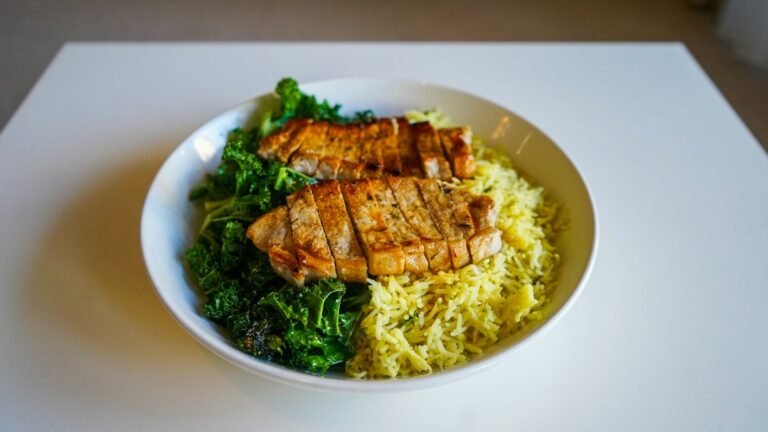
Use grain, tofu, roasted vegetables, raw cucumber or cabbage, and the first sauce. This is the meal where the fresh textures are at their best.
Day 2: chickpea wraps
Mash chickpeas with a little sauce or hummus, then add raw vegetables and greens to wraps. Serve leftover roasted vegetables on the side.
Day 3: warm skillet dinner
Heat grain, tofu or chickpeas, and roasted vegetables together in a skillet. Add a splash of water and seasoning, then finish with the second sauce.
Day 4: mix-and-match lunch
One person can have a bowl while the other uses the same ingredients in a wrap or salad. This is where component prep is more useful than pre-assembling identical boxes.
Day 5: freezer or fresh-food pivot
Use any safe remaining portions, supplement with a quick pantry meal, or pull a prepared item from the freezer. You do not have to force every prepped ingredient to last exactly five days.
Plan leftovers intentionally
Instead of cooking a six-serving casserole and hoping two people want it three times, decide where leftovers will go before cooking. If dinner makes four portions, two can be dinner and two can be tomorrow’s lunch. That is planned reuse, not accidental excess.
Freeze before you get tired of the food
If a batch is larger than you will realistically eat, freeze portions early rather than waiting until they are near the end of their refrigerator life.
Our plant-based freezer meals guide covers cooling, portioning, freezing, and reheating.
Use realistic grocery quantities
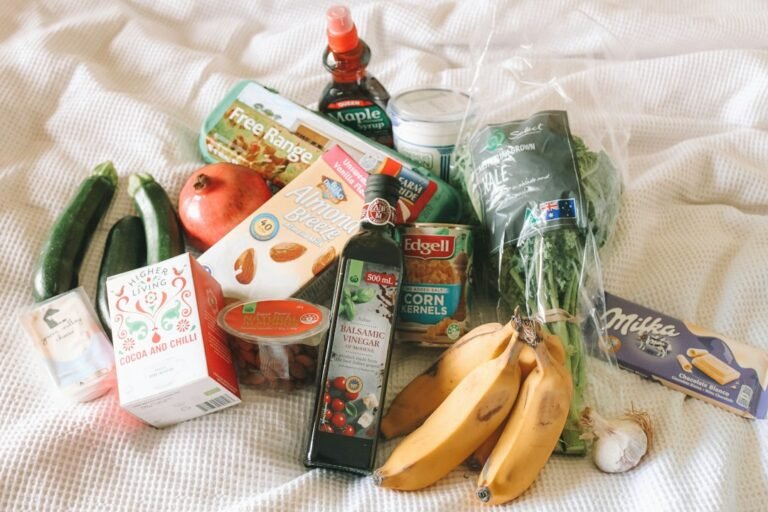
For two people, buying family-size produce only saves money if you will use it. Frozen vegetables, canned beans, shelf-stable grains, and smaller amounts of fresh produce can reduce waste.
If you are scaling up from solo cooking, our grocery list for one person can help you see how quantities change when meals are component-based.
What about different preferences?
Choose neutral components and personalize them at serving time. Keep sauces, spicy toppings, crunchy toppings, and some vegetables separate. One person can make a spicy tofu bowl while the other builds a mild chickpea wrap from the same prep.
Food safety basics
Cool cooked foods promptly, refrigerate them in covered containers, and reheat leftovers until thoroughly hot. Use clean utensils and discard food that shows signs of spoilage. When you are unsure whether a component will be eaten in time, freezing it early is safer and reduces waste.
A 90-minute prep flow
- Start the grain.
- Heat the oven and chop vegetables.
- Roast vegetables.
- Cook tofu or tempeh while the vegetables roast.
- Drain and rinse beans.
- Wash and chop the raw vegetable.
- Whisk two sauces.
- Cool cooked food and portion components into containers.
You do not need to finish in exactly 90 minutes. The point is to overlap tasks rather than cooking each component from start to finish separately.
Bottom line
Plant-based meal prep for two works best when you make enough components for several meals, not a week’s worth of identical boxes. One grain, two protein foods, cooked and raw vegetables, and two sauces can cover much of the week while still leaving flexibility for fresh meals and changing plans.