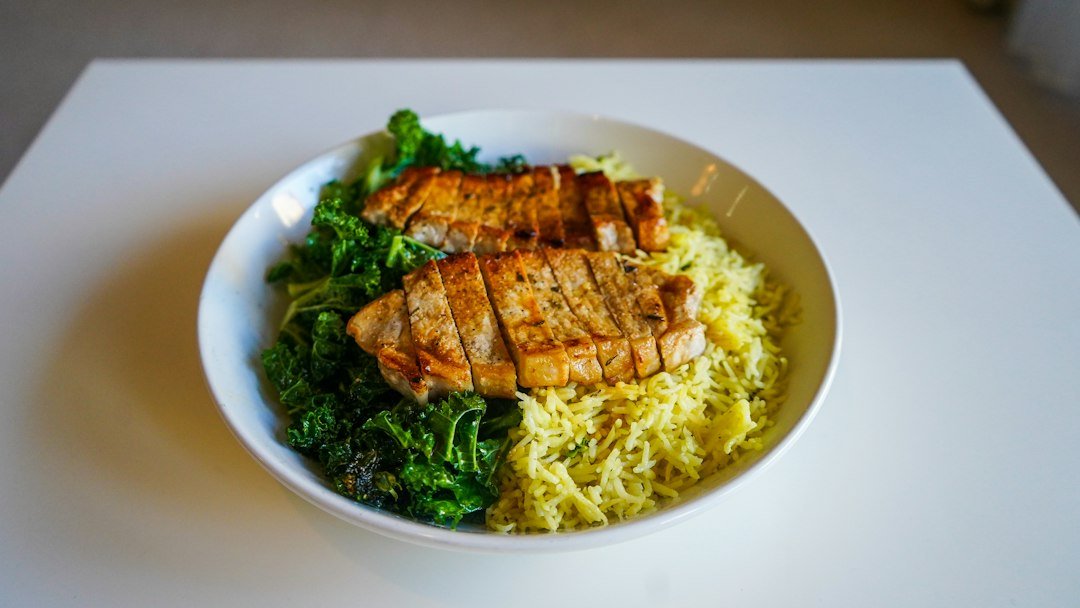
Can You Freeze Cooked Tempeh? Storage, Thawing and Reheating
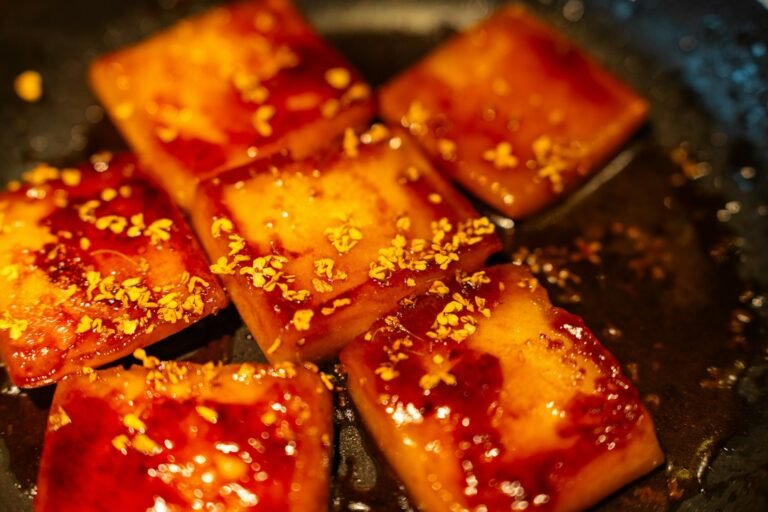
Yes, you can freeze cooked tempeh for convenient later meals, provided it was cooked and handled safely before freezing. Freezing is useful when you’ve prepared more slices, crumbles or cubes than you will eat in the next few days. It does not repair food that was left at room temperature too long, and it can change the texture of sauced or heavily browned pieces. This guide focuses on already cooked tempeh, which is a different problem from starting dinner with an uncooked frozen block.
Start with a safely cooked batch
Check the original package’s directions when cooking your tempeh. Some products need thorough cooking before consumption; a brown edge is not an adequate substitute for those requirements. Once cooked, move the food into shallow containers promptly instead of letting a deep pot stand on the counter. General USDA guidance recommends refrigerating perishable leftovers within two hours, or one hour in very hot conditions. If a meal sat out too long, freezing it afterward does not reset the food-safety clock. Read our tempeh cooking guide for product-specific context.
How to freeze cooked tempeh step by step
Let the just-cooked food stop steaming vigorously, then divide it into shallow meal-size portions and cool promptly under normal food-safety handling. Package slices in freezer-safe airtight containers or bags, squeezing out excessive air without crushing the food. For especially crisp strips, arrange pieces in a single layer on a freezer-safe tray before transferring them to a container once frozen. That helps limit sticking, but be sure the tray is properly protected and food is not exposed. Label each package with the preparation date and contents.
Separate wet sauces from crispy pieces when possible
Dry-browned tempeh and tempeh swimming in sauce thaw differently. A tomato-based crumble may reheat nicely as part of a stew, while crisp slices lose some crunch if stored with liquid. If meal prepping intentionally, keep the sauce in a separate container when practical and combine after reheating. This is a quality preference, not a safety exemption: both food and sauce must be cooled, frozen and reheated safely. Marinades with oil, sugar and vinegar do not make cooked tempeh shelf-stable.
How long can cooked tempeh stay frozen?
When continuously frozen at a suitable freezer temperature, food safety and eating quality are different questions. USDA general leftover guidance gives about three to four months as a useful quality window; freezing can keep food safe longer while flavour and texture gradually decline. That estimate is not a tempeh-specific laboratory shelf-life guarantee. Good wrapping and stable freezer temperatures help more than writing a long date on a poorly sealed container. Use the oldest portions first and discard any with evidence of spoilage from before freezing.
Thaw in the refrigerator for the best planning
The refrigerator is an easy option when you know tomorrow’s lunch in advance: set the frozen container on a tray so condensation does not drip on other foods, and give it time to thaw. Cold-water thawing requires a leak-proof package and frequent water changes. Microwave thawing creates warm spots and should be followed by immediate thorough reheating. Avoid leaving a bag on the counter overnight. Our guide to cooking frozen tempeh addresses a different starting condition: uncooked or package-ready frozen tempeh, not previously cooked leftovers.
Can you reheat it directly from frozen?
Small previously cooked pieces may be reheated from frozen using a suitable pan, oven or microwave, but they need additional time. The USDA advises reheating leftovers to 165°F/74°C, measured in the centre with a food thermometer; apply that conservative general leftover standard when heating cooked tempeh. Follow appliance directions and stir or turn pieces so cold spots do not remain. A microwave can heat the middle quickly but soften a crisp coating. A skillet can refresh the outside after thorough heating, with a little water initially to avoid burning.
How freezing changes texture
Ice crystals can alter moisture distribution in plant-based foods. Some tempeh becomes a little drier or more crumbly after thawing, particularly if it was already cooked until very crisp. Soft crumbles with sauce may be less noticeably affected. Rather than discarding perfectly safe but less attractive slices, use them in stir-fries or a grain bowl where dressing restores some moisture. If the food develops unusual odours or was handled unsafely, do not assume a sauce can mask the problem. For related storage, see how long cooked tempeh lasts in the fridge.
Make freezer portions work for real meals
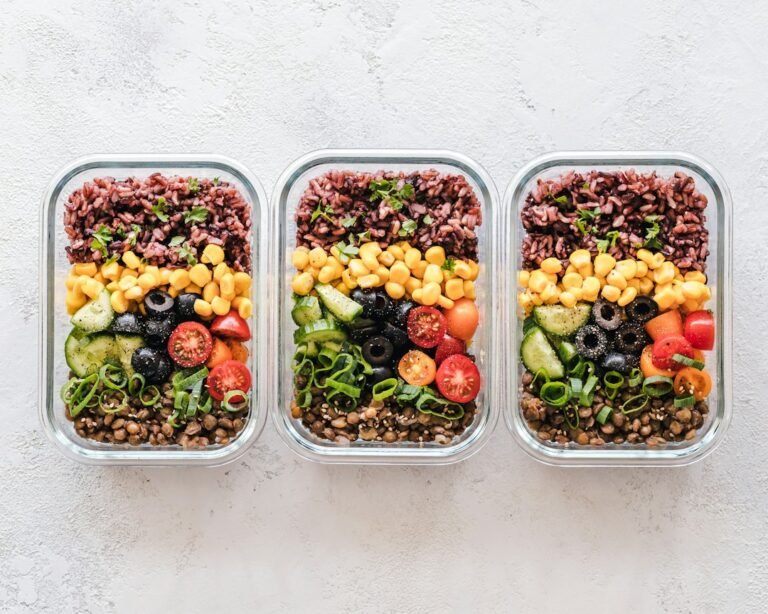
A small package of cooked tempeh can become a wrap filling, a rice bowl topping or a component of a vegetable stir-fry. Put the grain, vegetables and dressing into separate portions if they have different heating needs. Label the specific dish so you do not mistake a spicy glaze for a neutral protein. For a simpler batch, cook plain slices and add seasonings after thawing. This approach offers more flexibility than freezing six identical full meals when your schedule changes. Our beginner tempeh recipe guide offers different serving formats.
Mistakes worth avoiding
Do not refreeze a cooked batch that has spent excessive time unrefrigerated, and do not reheat the whole container repeatedly when you only need one portion. Avoid thin household sandwich bags that allow air to reach the food easily. Never thaw a large frozen block on the counter until its centre softens. If a product’s original directions are stricter than general advice, follow them. When feeding a person with particular dietary or medical needs, rely on their food-safety guidance instead of a universal blog estimate.
Frequently asked questions
Is cooked tempeh freezer-safe after being in the fridge?
Generally freeze safely handled leftovers within the usual three-to-four-day refrigerator window, ideally sooner for quality.
Does freezing kill all bacteria in cooked tempeh?
No. Freezing inhibits growth but is not a reliable way to make previously unsafe food safe.
Will reheated tempeh be crispy?
Sometimes, especially in a skillet or air fryer after thawing, but sauced pieces often stay softer.
Bottom line
Freeze cooked tempeh in small, clearly dated packages, thaw using a safe method and reheat leftovers thoroughly. The biggest quality improvement comes from separating sauces and avoiding overcooking before freezing.